At London Fashion Week Wings of Avant-Garde
Discover Harris Reed’s SS26 “The Aviary” collection revealed at London Fashion Week — dramatic silhouettes, gothic motifs, gender-fluid couture, and the creative evolution of Reed.
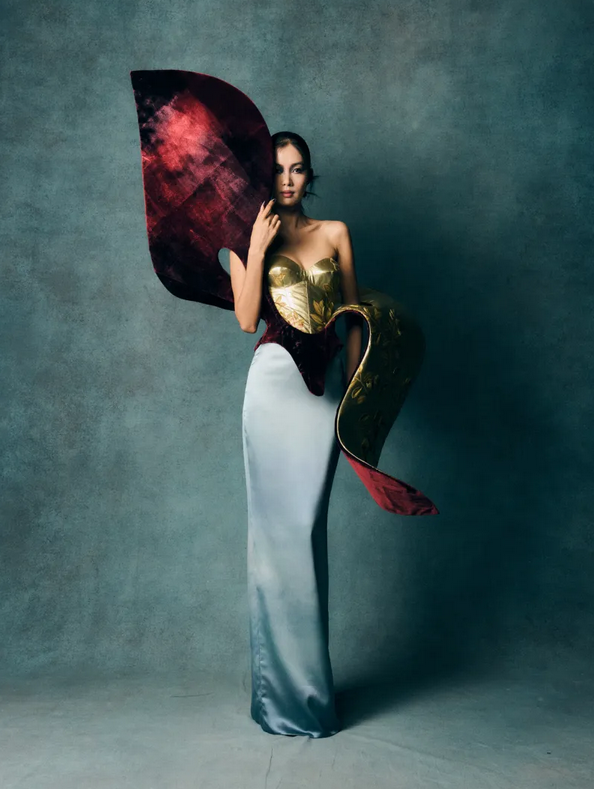
Introduction & Designer Profile
Harris Reed (born 20 May 1996) is a British-American fashion designer known for his bold, gender-fluid, theatrical aesthetic.
Educated at Central Saint Martins, Reed has made a name for himself by blurring boundaries between menswear and womenswear, often incorporating sculptural silhouettes, corsetry, and expressive forms.
In addition to his eponymous label, Reed has served as creative director for Nina Ricci as well.
His design philosophy often centers on transformation, theatricality, and identity. As he stages each collection, he seems to ask: how can clothing become a statement, a performance, and an embodiment of self?
With SS26, Reed presents his tenth collection under the evocative title “The Aviary”, shown at London Fashion Week. He uses dramatic architecture, winged motifs, gothic undertones, and a profound play between containment and freedom to push his visual signature further.
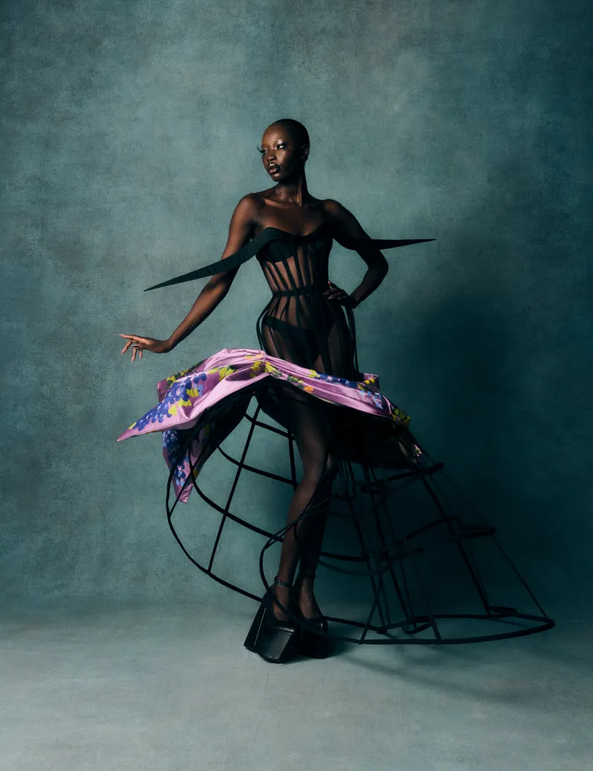
Concept & Presentation
Reed unveiled “The Aviary” in a dimly lit, salon-style presentation in the King’s Cross / London context. The collection is deeply influenced by bird and wing imagery, architectural frameworks, and a balancing act between structure and release.
He frames the show in three overlapping acts: containment, tension, and expansion, metaphorically tracing how forms might emerge or break free, like wings in motion.
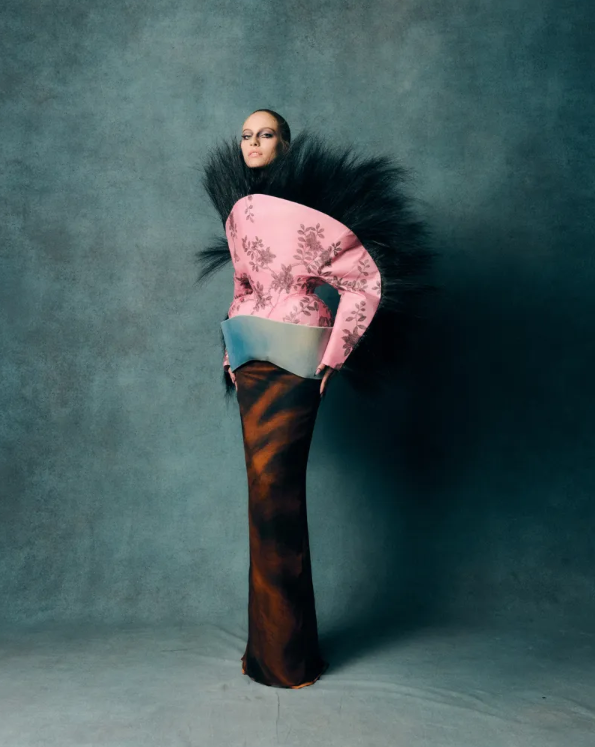
The beauty and hair styling supported this narrative — makeup with “bird-like” eyes, a sculptural hairline with wispy extensions, and subtle dramatics that echoed the silhouettes on runway.
Palette, Fabrics & Textures
Color Story
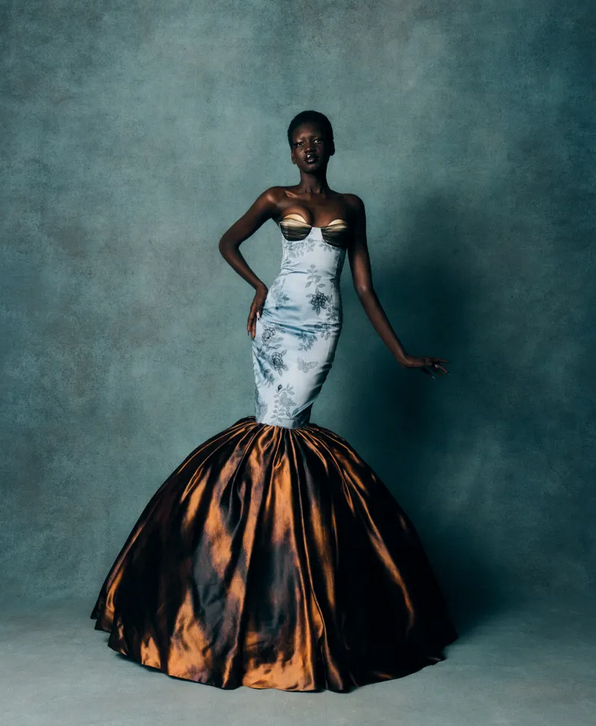
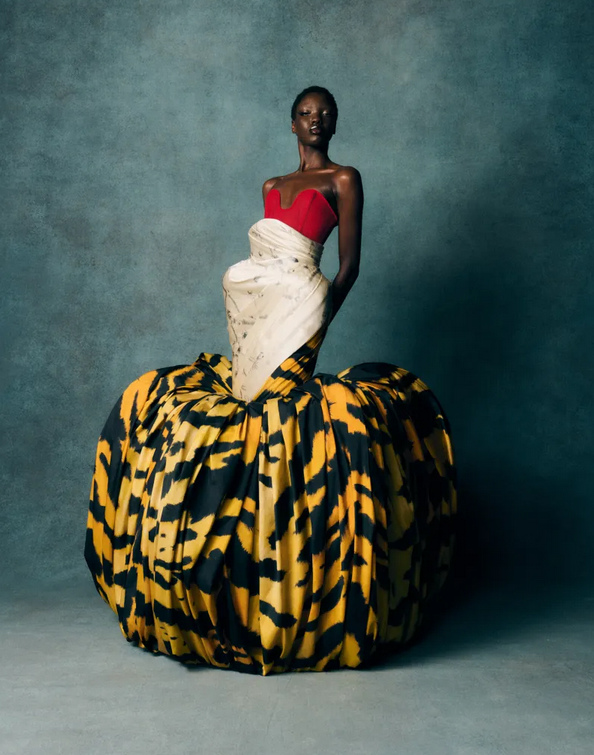
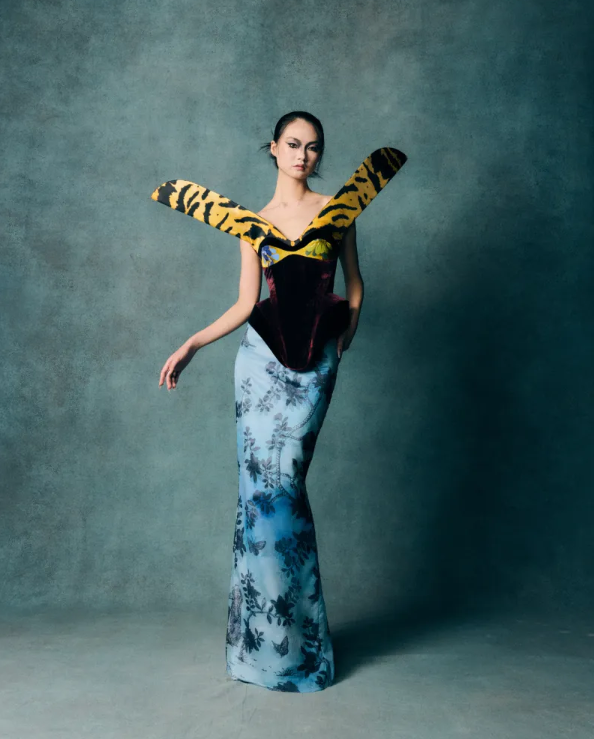
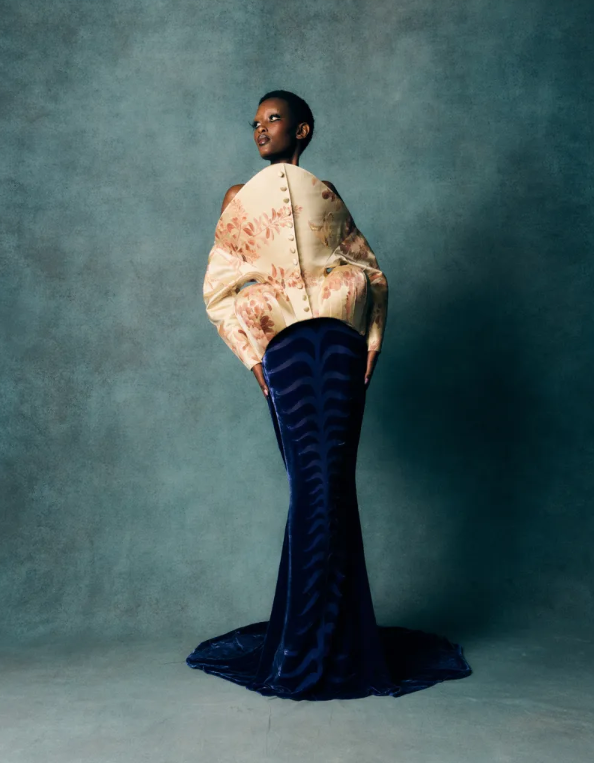
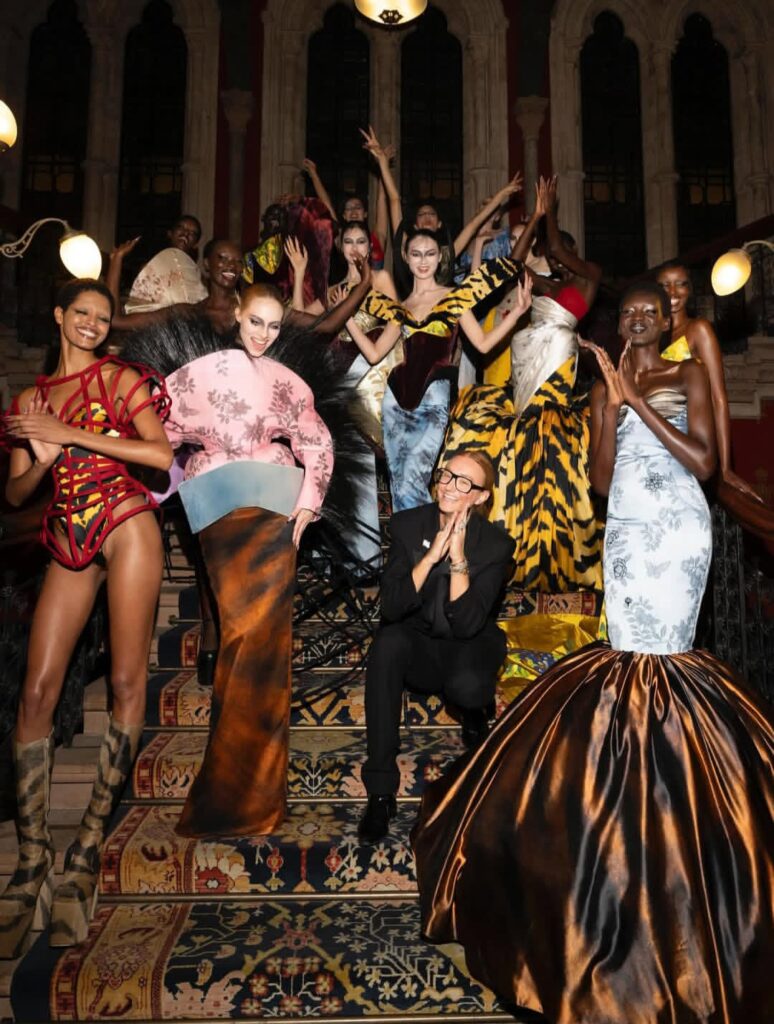
The palette is moody yet refined: obsidian blacks, rich crimsons, deep blues, and ivory accents. Tiger print and gold detailing emerge as key highlights to punctuate the darkness.
These contrasts reinforce Reed’s thematic tension between darkness and light, shadow and flight.
Materials & Detailing
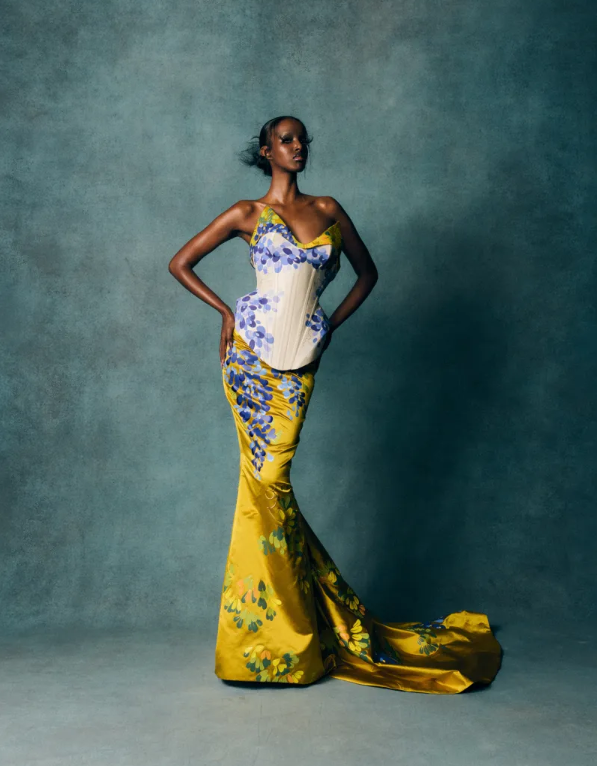
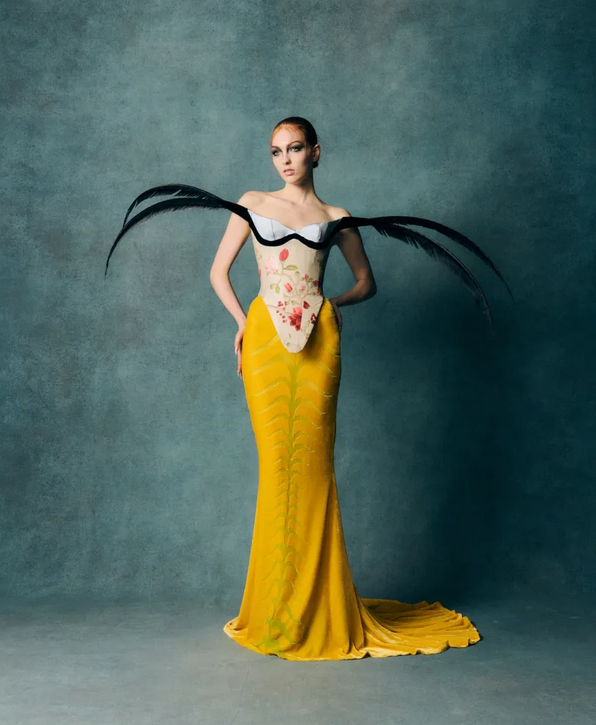
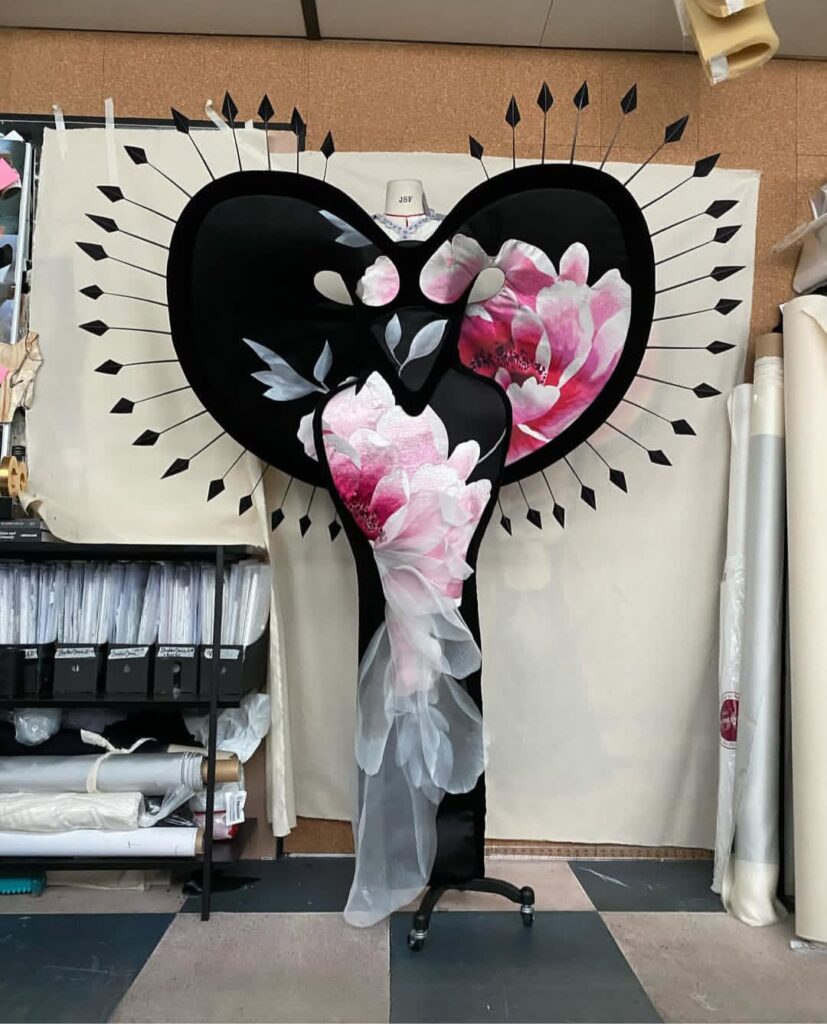
- Fromental silks and archival velvets provide luxury and depth, often embellished with hand-painted motifs.
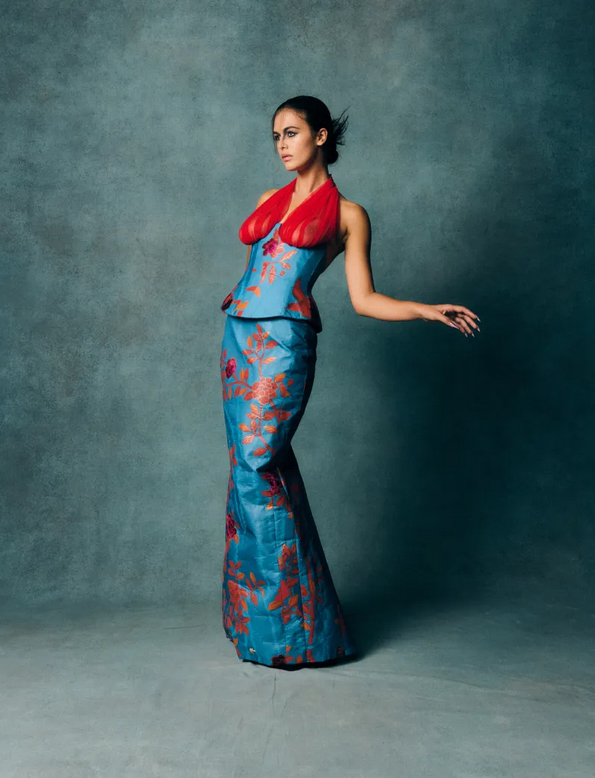
- Nottingham lace, embroidered brocades, and satins were used in conjunction with structural underpinnings to support the dramatic silhouettes.
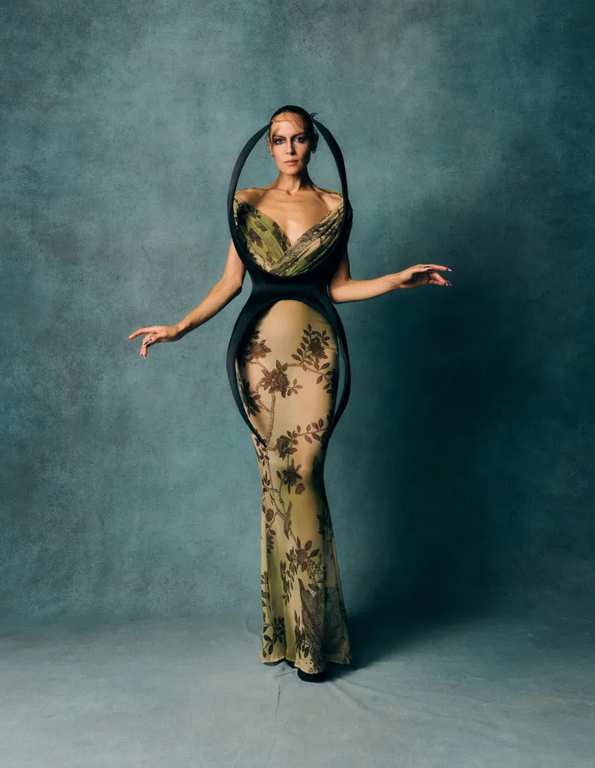
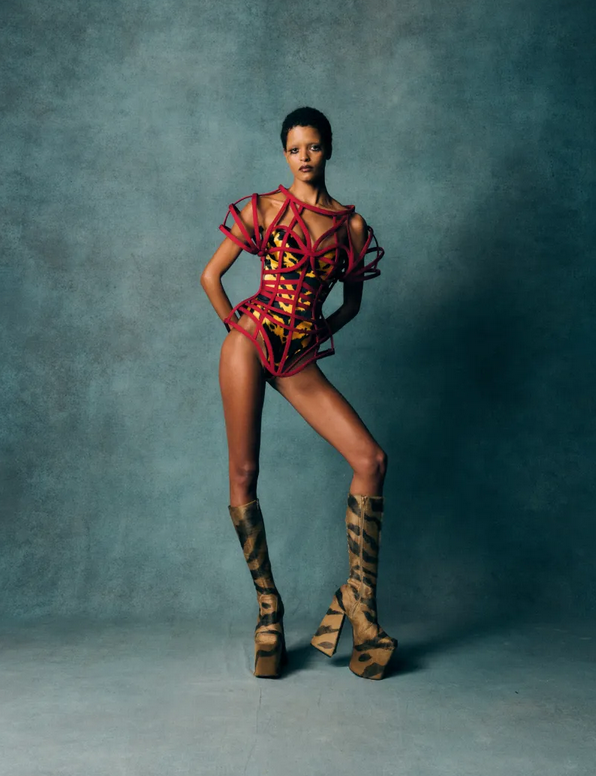
- Corsetry and boning frames occur under fabric, giving corseted jackets, skeletal crinolines, and wing-like overlays their architecture.
- Motifs such as tiger prints, wing feather textures, and gilded accents appear across garments, adding narrative detail.
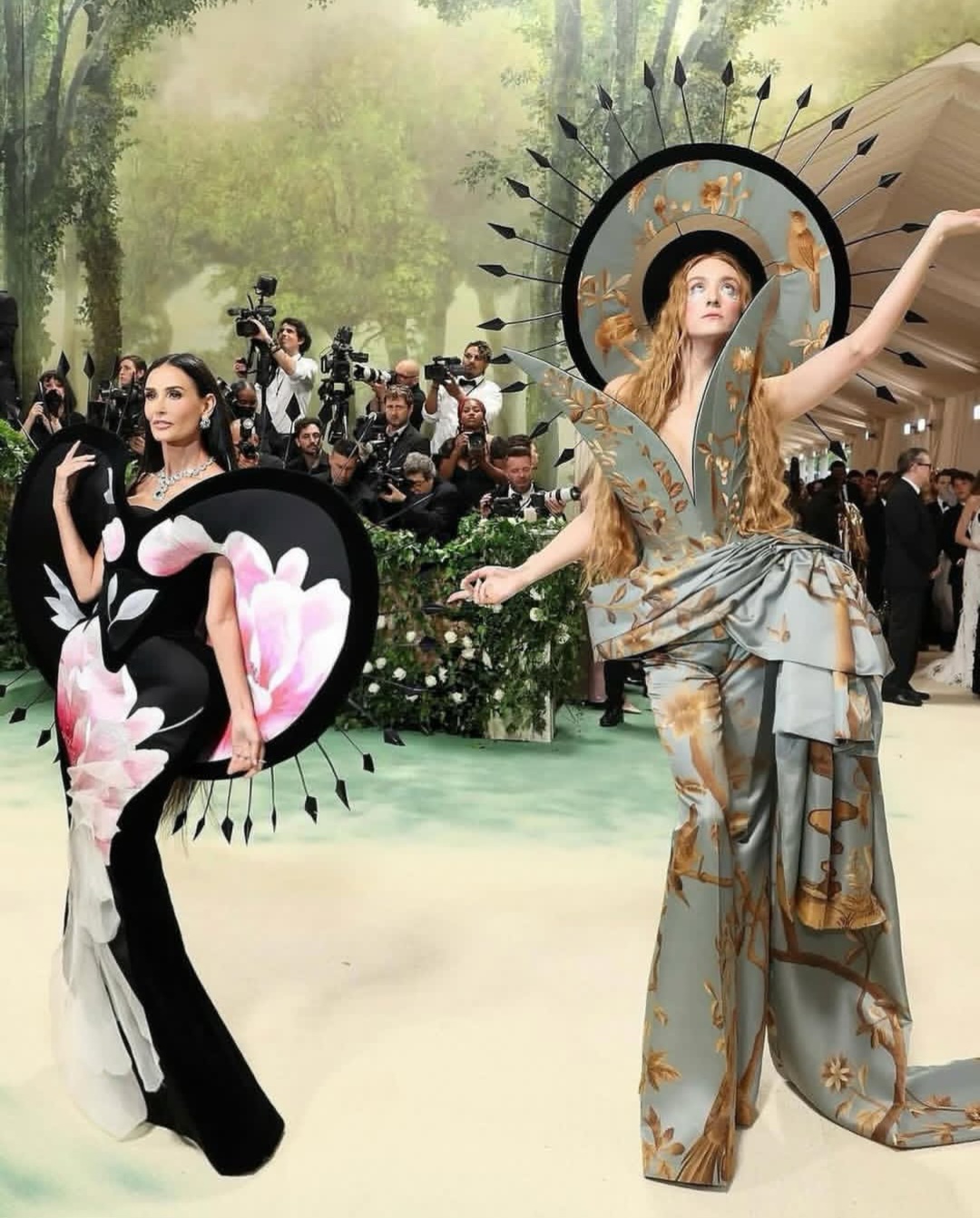
Silhouettes & Key Looks
Structural Bones & Wings
One of the signature visual devices in “The Aviary” collection is the use of skeleton-like frames, crinolines, and wing extensions that wrap around or emerge from the garment. These reinforce the sense of bodies under tension, poised to fly.
Some gowns feature corseted torsos with wide hips or flared skirts, transforming traditional silhouettes into dramatic sculptures.
Voluminous Drapery & Layers
Reed juxtaposes rigid frameworks with soft drapery — layers of gathered fabric, cascading overskirts, translucent overlays — generating movement and lightness within the drama.
Gender Fluid Tailoring
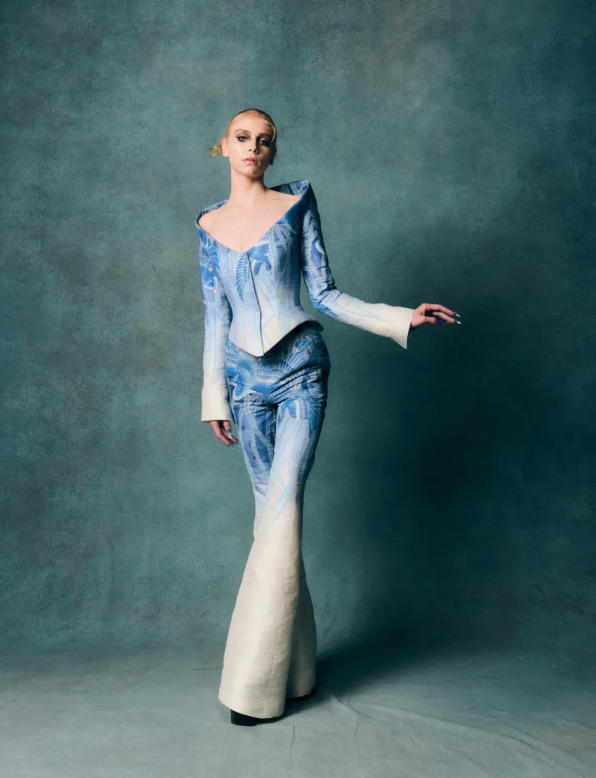
As is characteristic of Reed, many pieces incorporate tailored jackets, trousers, and blazers reinterpreted with flair — cinched waists, wing motifs, or asymmetric cuts — enabling fluid expression across gendered norms.
Statement Looks
- A crimson corset with wing-like chest plate and flared draped skirt was one of the standout dramatic looks.
- A blue-white structured suit with exaggerated proportions and a corseted jacket created a visual tension between sleekness and theatricality.
- Tiger print skirts layered under corsets, paired with winged shoulders or expanded hips, show Reed’s embrace of bold animal motifs.
Strengths, Challenges & Impact
What Works Well
- Reed’s signature dramatic vision shows growth — the collection feels bold but also more refined in its narrative logic.
- Integration of architecture, bird forms, and couture gives the show strong visual identity and memorability.
- The interplay of structure and fluidity allows wearable drama — while theatrical, several pieces retain an element of movement and potential for translation beyond the runway.
- Beauty and styling choices synchronized with the clothing narrative, reinforcing the theme of avian metamorphosis.
Potential Pitfalls
- The risk with high theatricality is that some pieces may feel more costume than wearable wardrobe; balancing spectacle and wearability is delicate.
- Heavy use of underlying frames or corsets might limit comfort or adaptability in real-world contexts.
- The bold contrasts and statements may overshadow subtler pieces, making them less cohesive in commercial lines.
Significance & Reception
Critics and fashion observers saw “The Aviary” as Reed’s maturation moment — a consolidation of his visual language into a more focused, immersive narrative. Whitewall highlights how Reed weaves memory, myth, and couture into a bold reinvention at LFW.
The show positions Reed not just as an avant-garde voice, but a designer whose work can bridge performance, identity, and fashion commerce.
Conclusion
With “The Aviary”, Harris Reed elevated his SS26 show into a poetic expression of fugue, identity, and transformation. The interplay of skeleton frameworks, wing-like motifs, corsetry, and bold prints articulates a message of tension between containment and release.
This collection heralds a moment of refinement in Reed’s evolving vision — one where drama is channeled, narrative is coherent, and couture becomes a medium for identity. As London Fashion Week continues to be a stage for boundary-pushing designers, Harris Reed’s latest offering soars as one of its most theatrical, emotionally resonant statements.