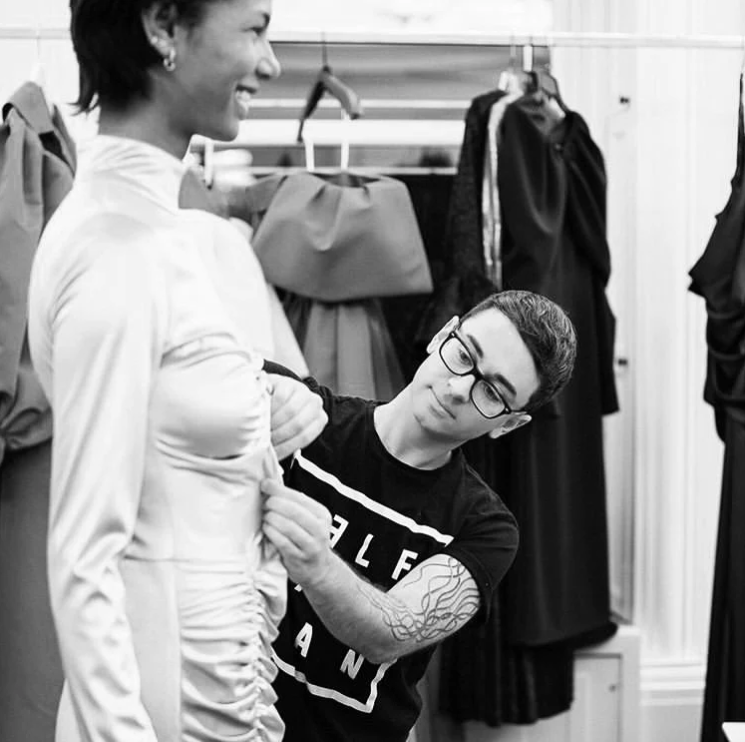
Christian Vincent Siriano (born November 18, 1985) is an American fashion designer best known for his inclusive and dramatic aesthetic, and for being a pioneer in pushing for body diversity on runway and red carpets.
He first gained widespread attention when he won Project Runway season 4 in 2007, becoming the show’s youngest winner. After that win, he launched his eponymous label in 2008 and has since built a brand known for fantasy gowns, bold tailoring, and gowns for women of all shapes and sizes.
Siriano studied in London under designers like Vivienne Westwood and Alexander McQueen, which influenced his sense of drama and structure. Over the years, he’s dressed high-profile celebrities, maintained a strong presence in New York Fashion Week, and earned membership in the Council of Fashion Designers of America (CFDA).
His design ethos frequently balances theatrical elements and wearability, pushing boundaries in silhouette, scale, and inclusivity.
NYFW SS26: Christian Siriano’s Spring/Summer 2026 Collection
Venue & Presentation Setting
For Spring/Summer 2026, Siriano chose an evocative setting: Macy’s Herald Square in New York City, turning the department store into a kind of couture salon runway space. He commented on his love for old-school department stores as show venues and how this setting imbued the presentation with a nostalgic glamour.
This choice of venue reinforces the collection’s dialogue between classic Hollywood glamour and contemporary fashion storytelling.
Inspiration & Theme
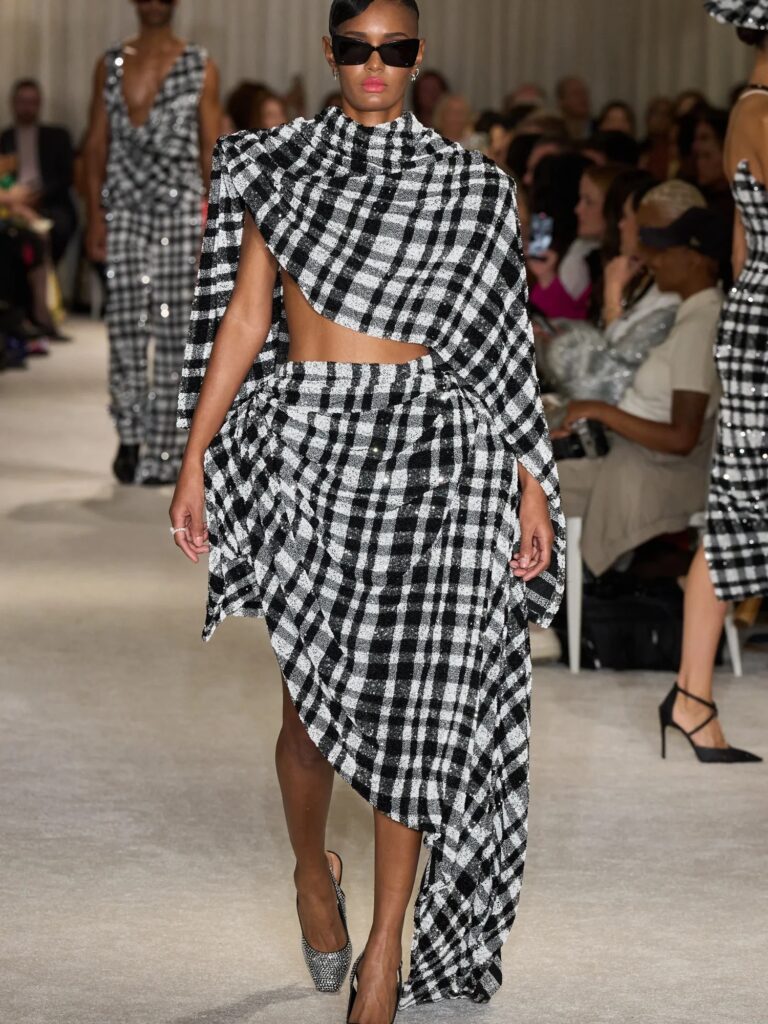
Siriano’s SS26 collection is heavily inspired by old Hollywood glamour, especially references to the era of black-and-white film and stars like Marlene Dietrich. The collection moves visually from black-and-white contrasts into bursts of color — as if a monochrome film “turns on the color” toward the finale.
The narrative is one of transformation: beginning in the restraint and structure of classic film era attire, then evolving into more expressive, modern, and visually rich designs.
Key Details & Standout Looks
Color Palette & Transition
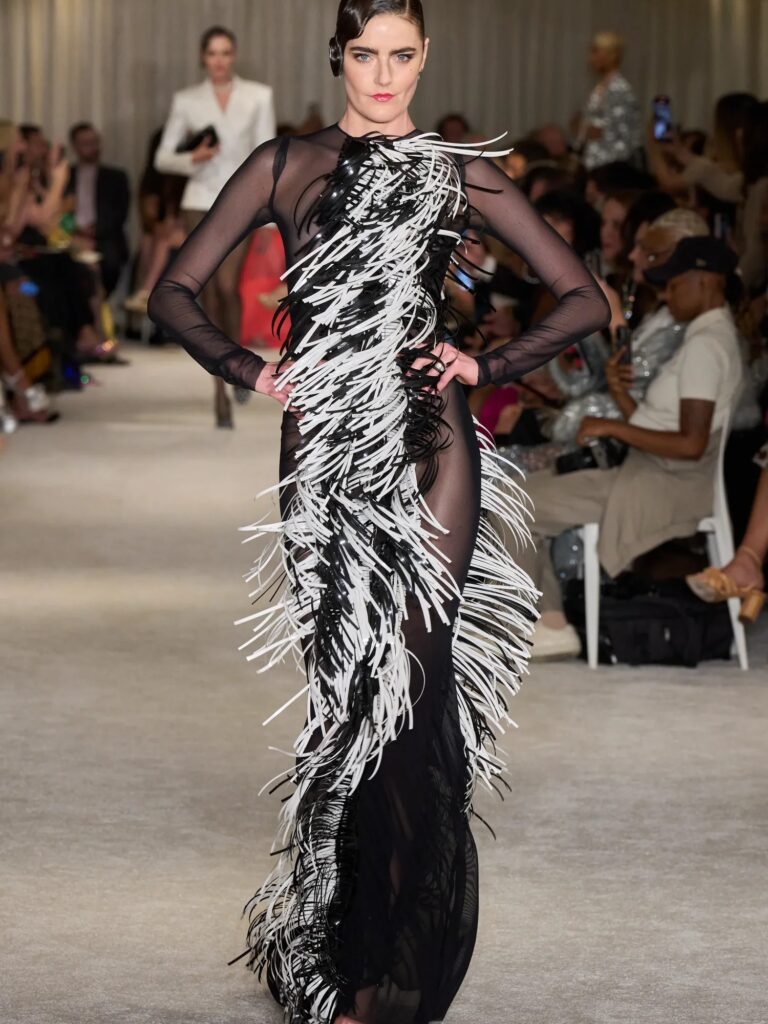
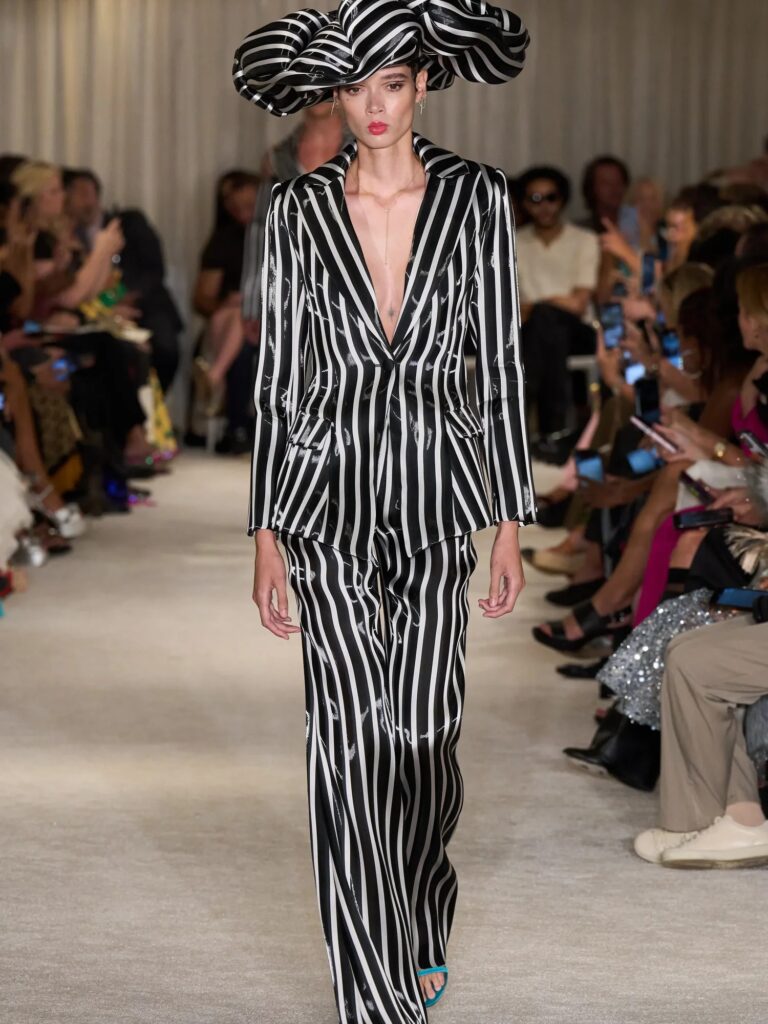
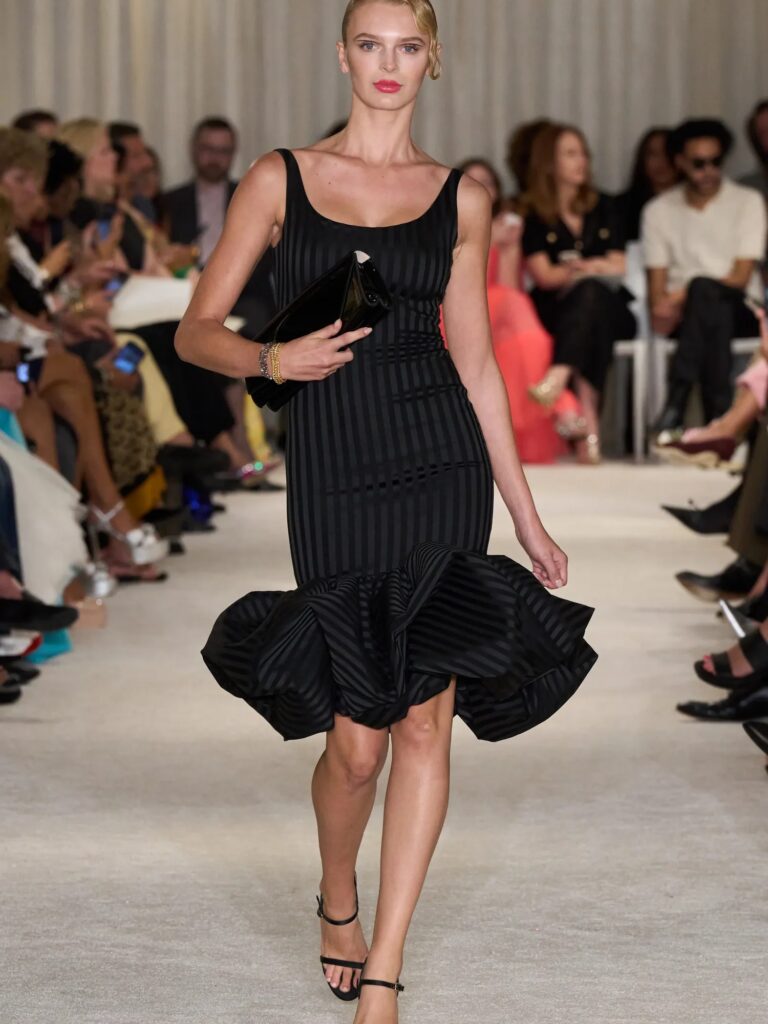
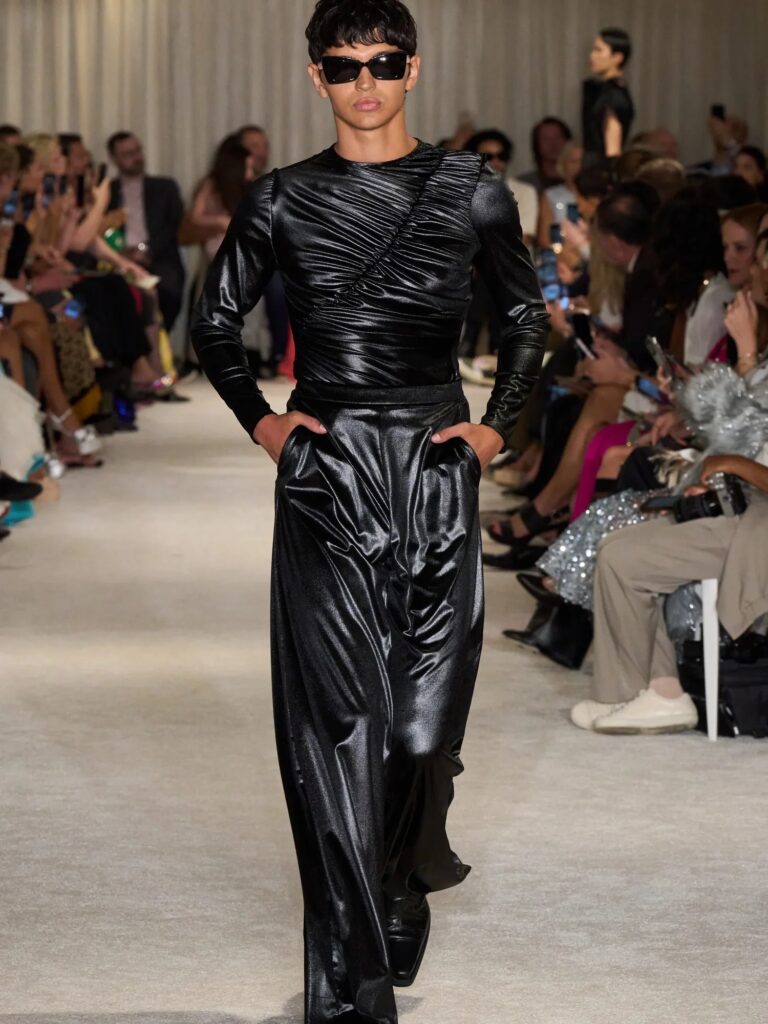
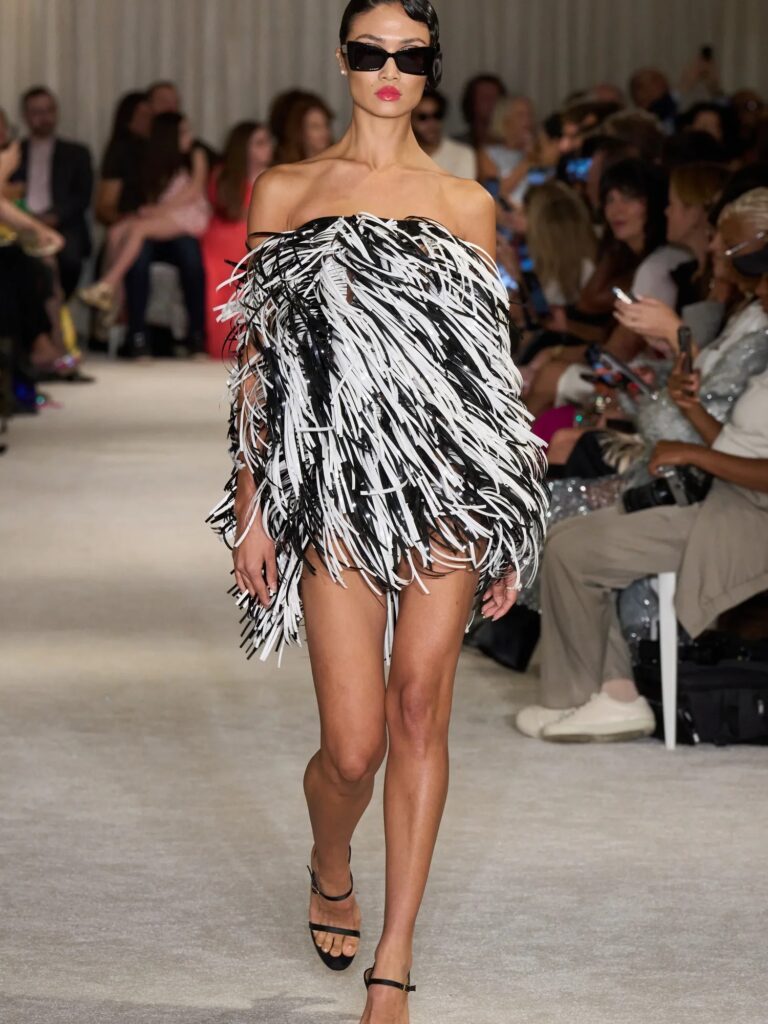
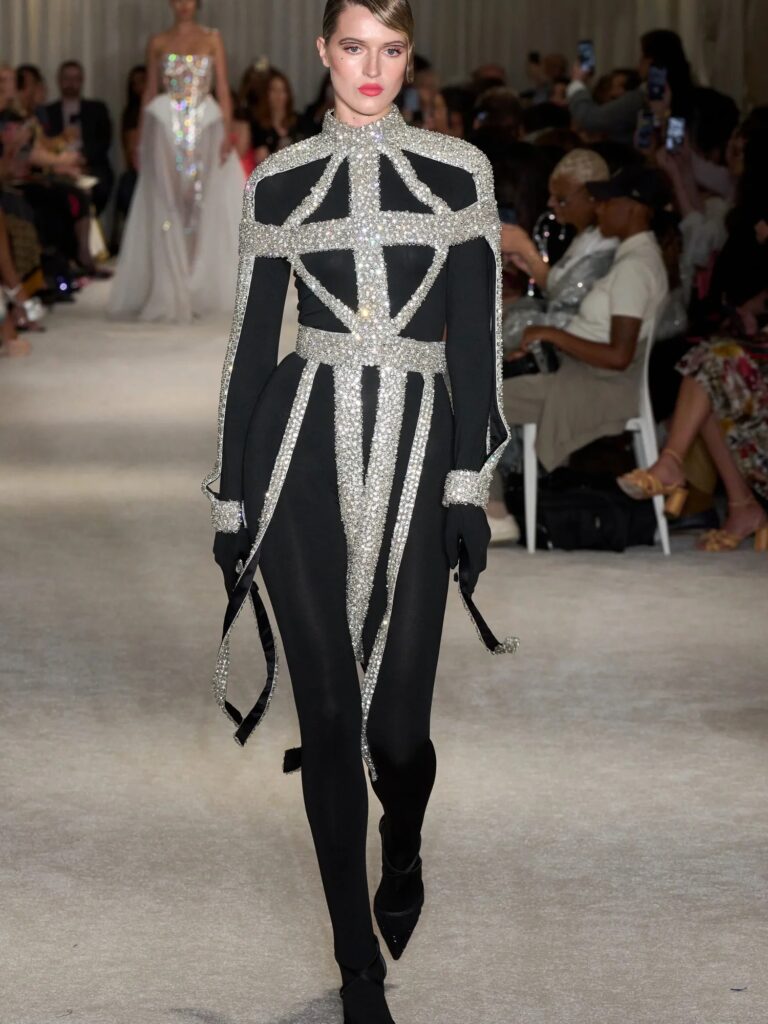
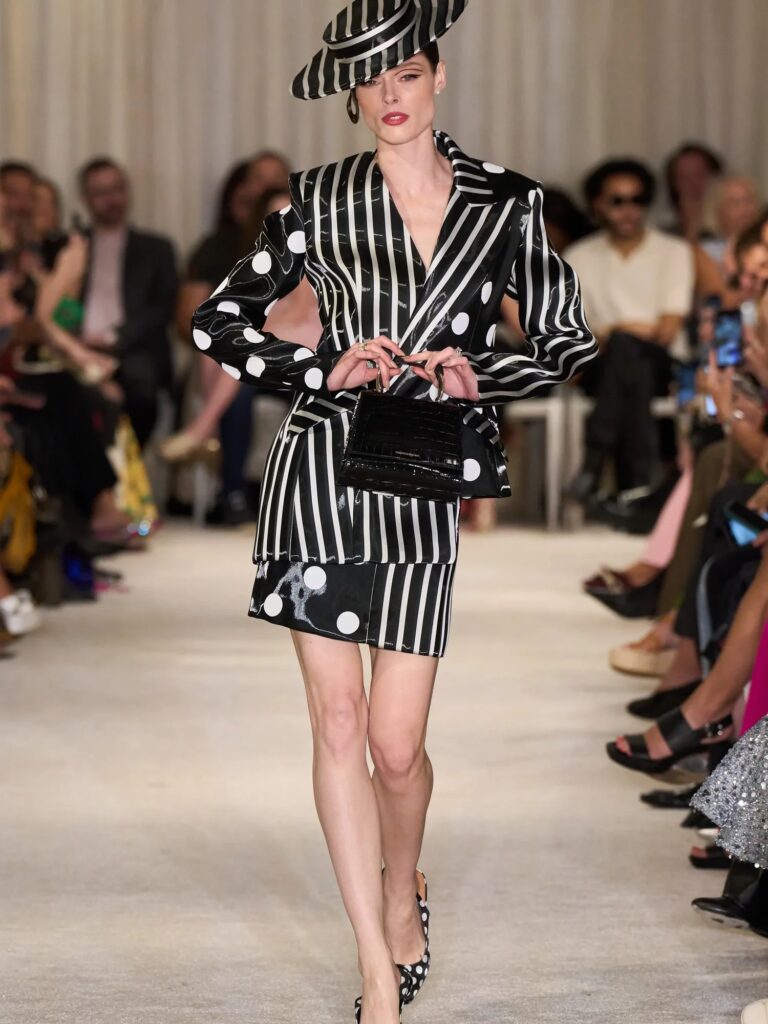
The collection starts with crisp monochromes — blacks, whites, greys — a clear nod to vintage cinema. As the show progresses, Siriano injects vivid brights (teals, bold shades) to signal a shift from monochrome storytelling to color.
This progression helps dramatize the narrative of emerging from a more restrained era into expressive, modern elegance.
Silhouettes & Structure
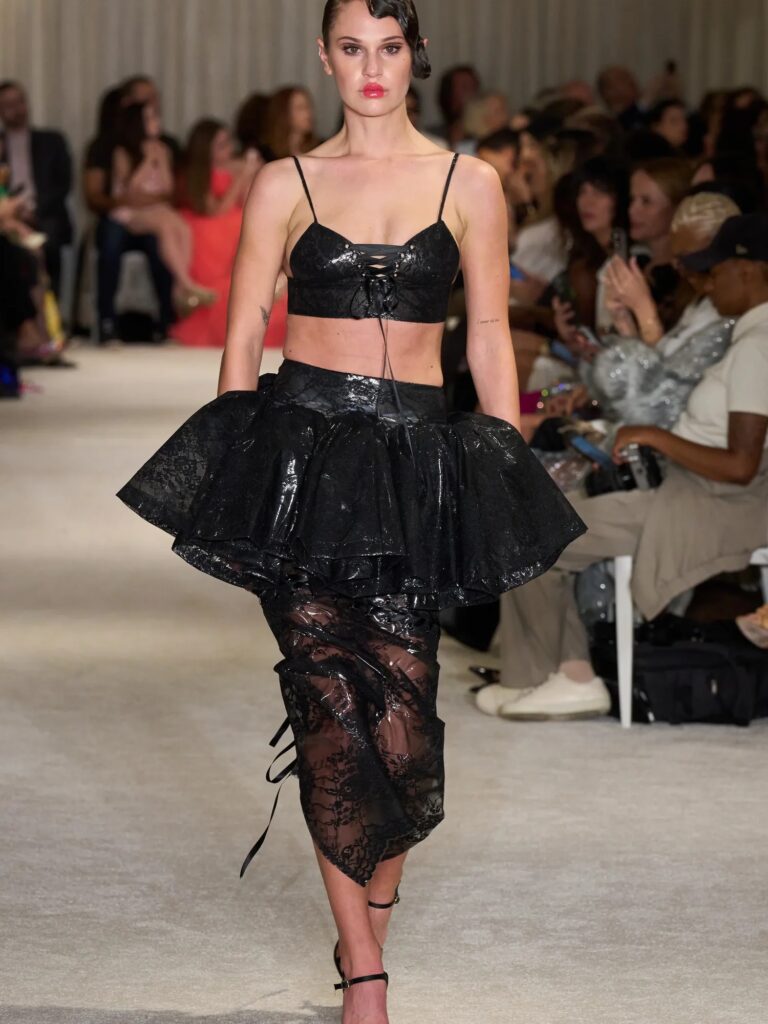
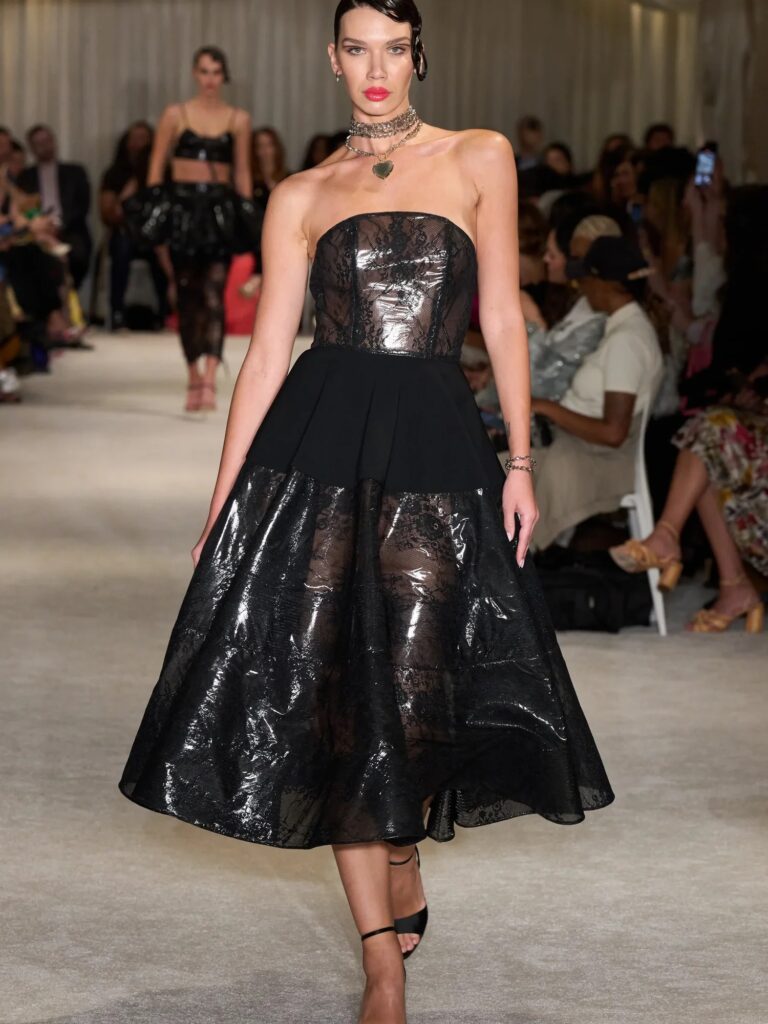
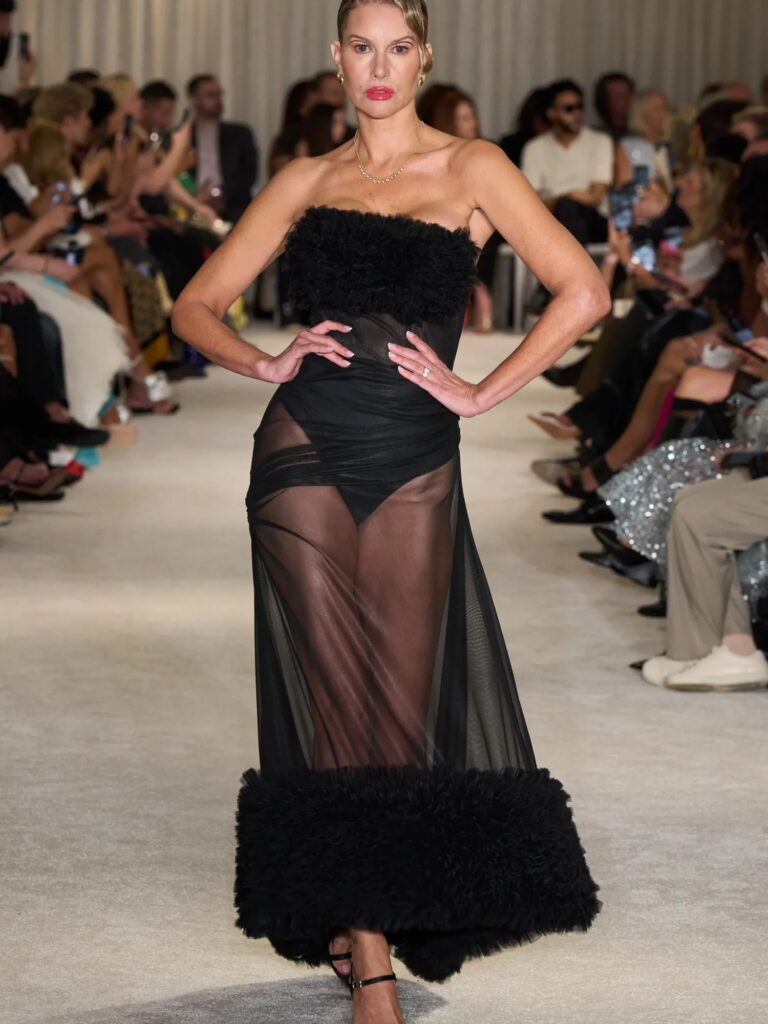
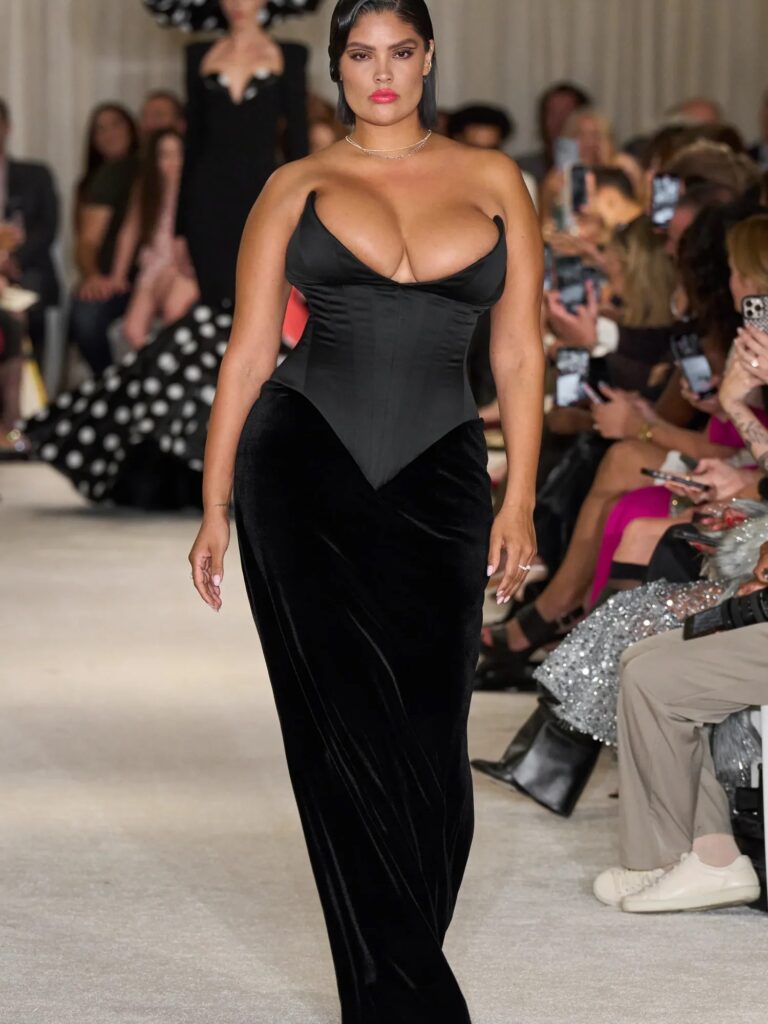
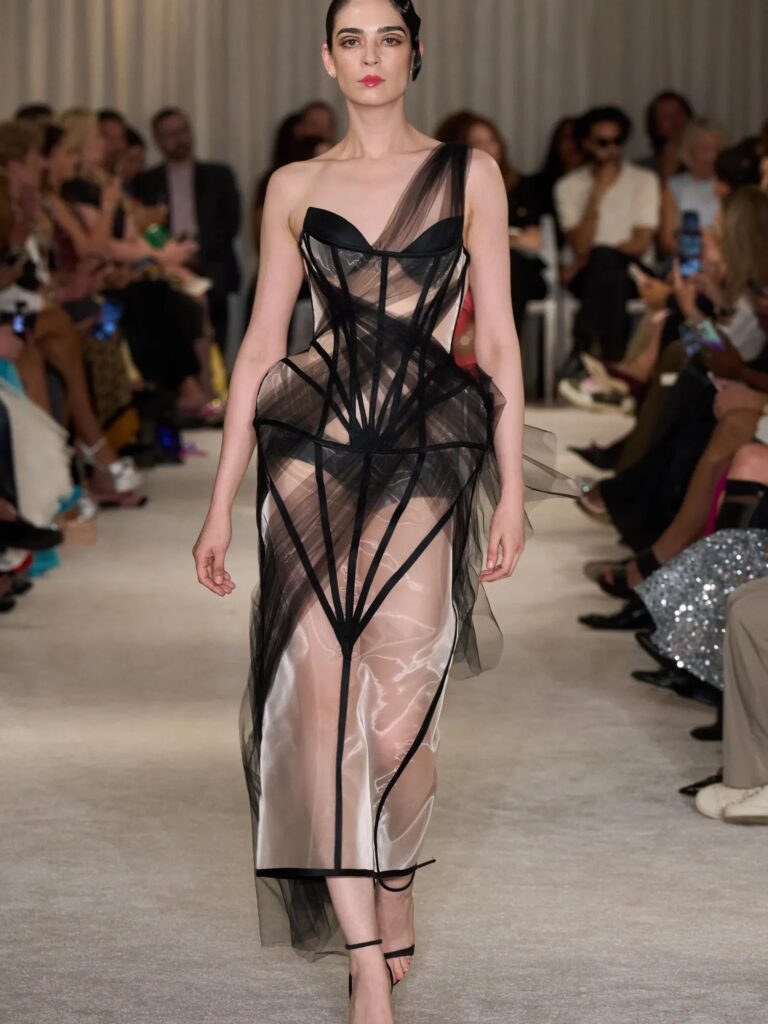
- Corseted bodices and strapless gowns anchored in classic glamour were key silhouettes.
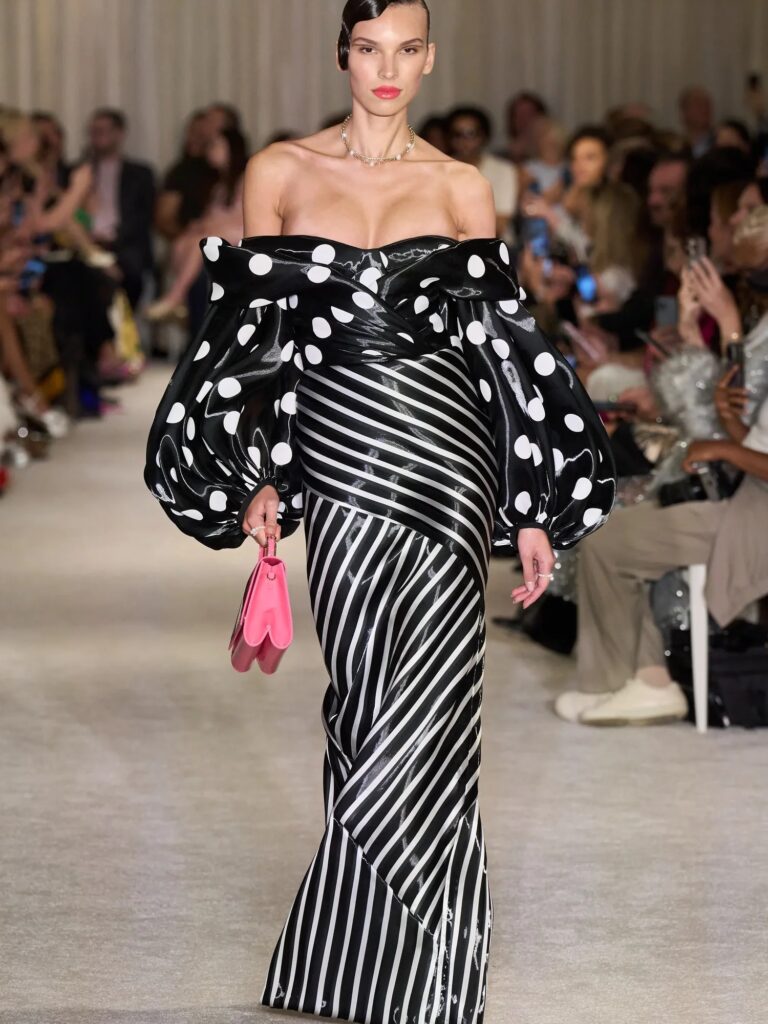
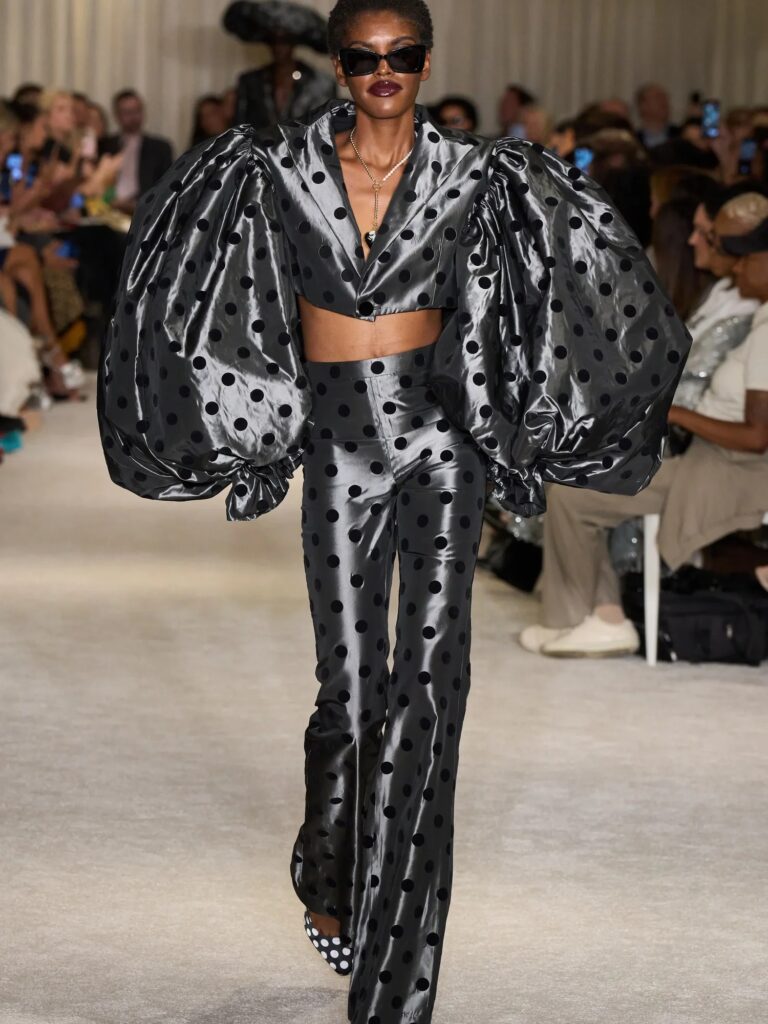
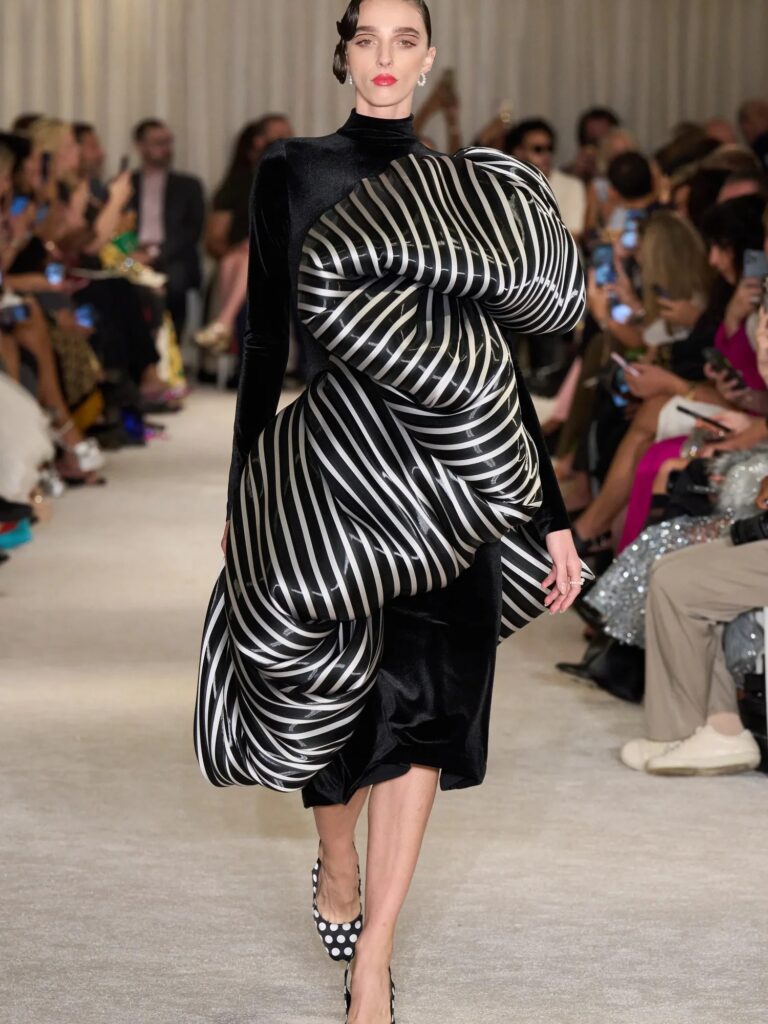
- Exaggerated sleeves, sweeping hems, and volume contrast elements added drama and movement.
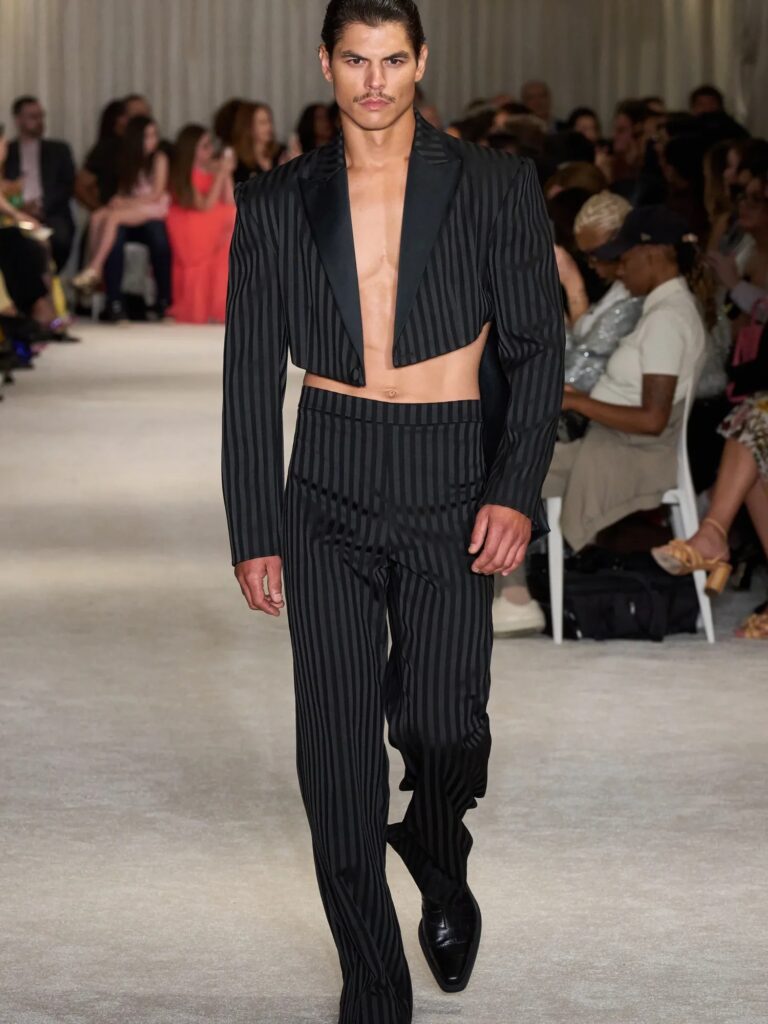
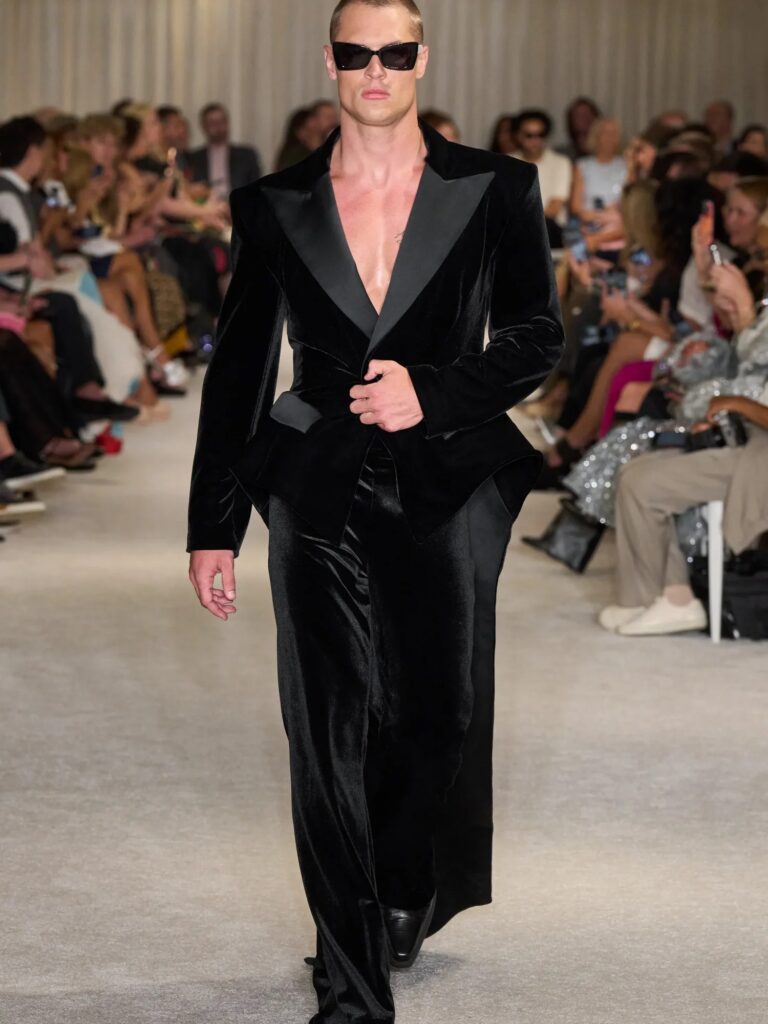
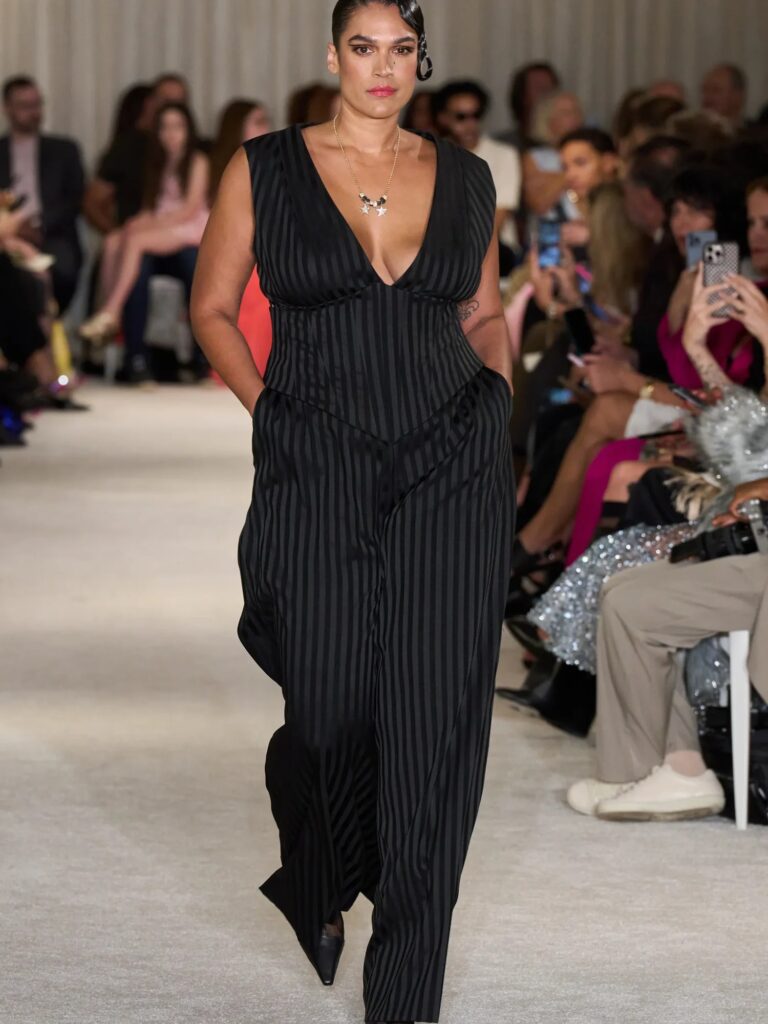
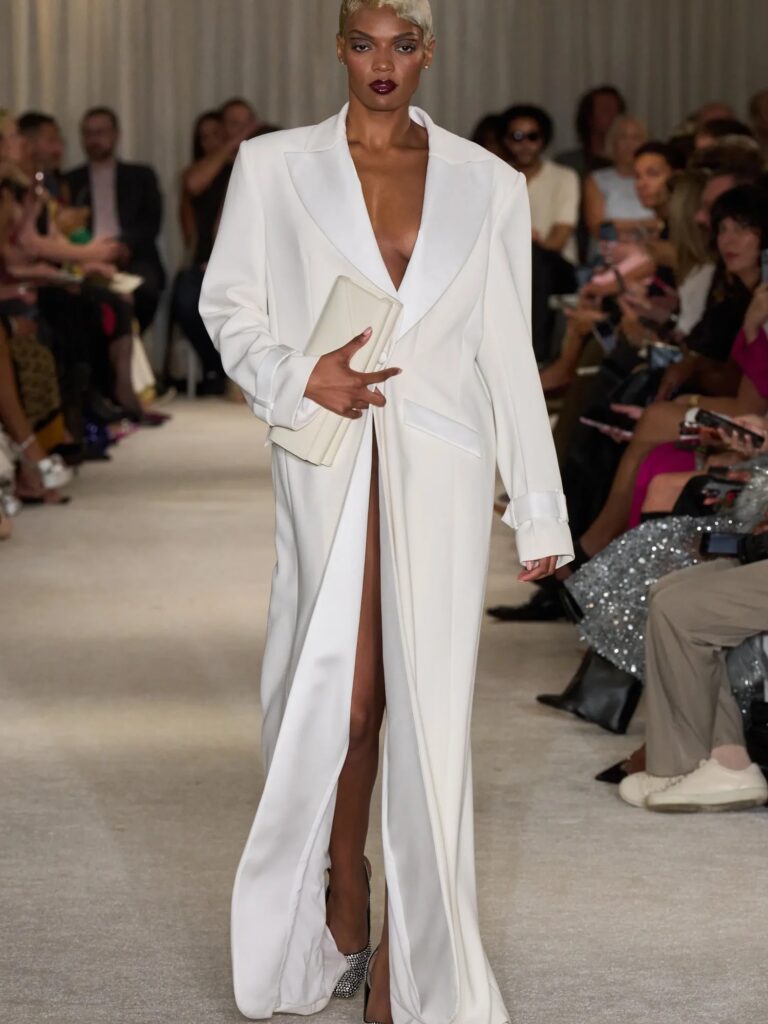
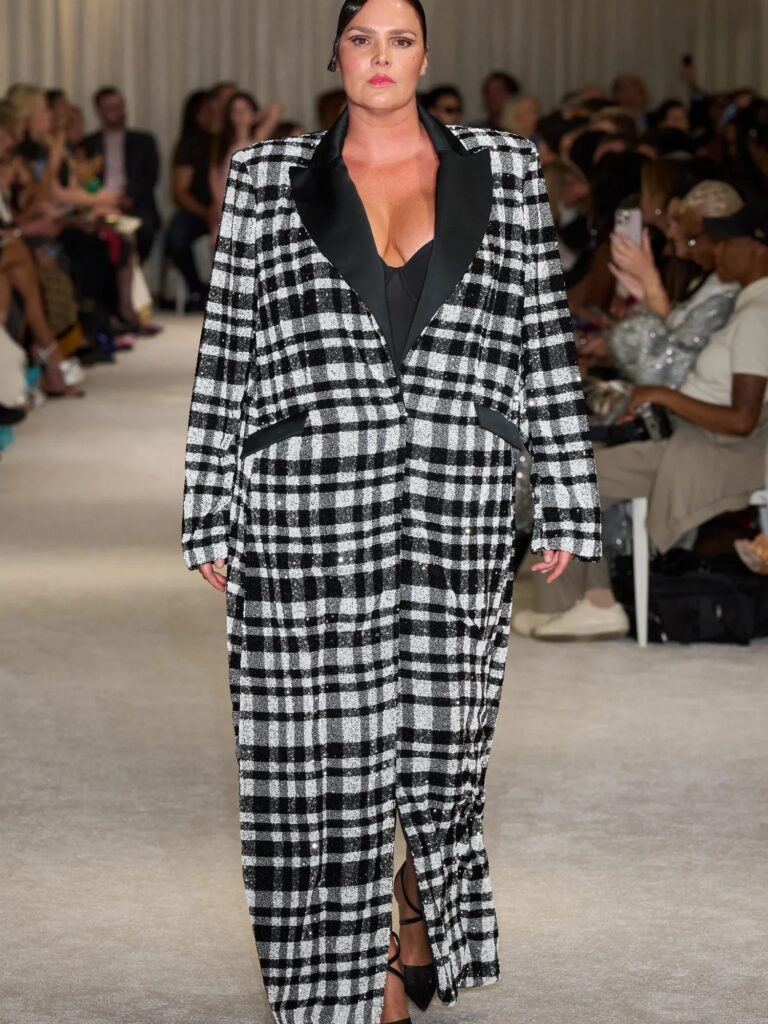
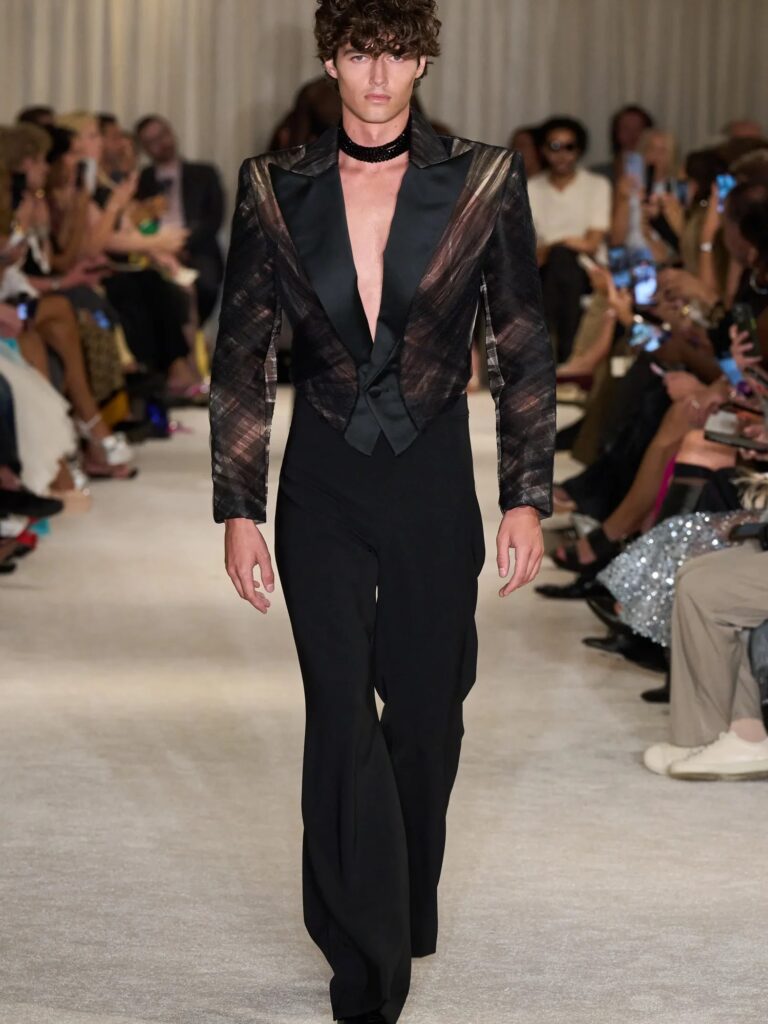
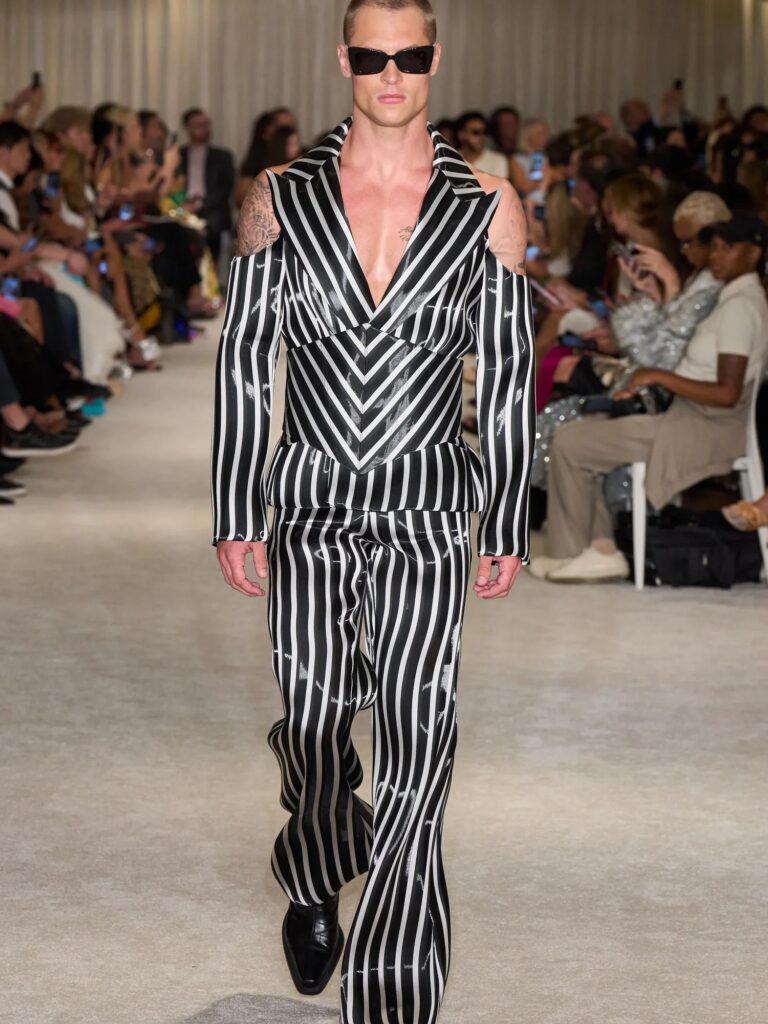
- Tailoring with a twist: Some menswear pieces (or gender-fluid inspired) appeared, with sharp tailoring, cutouts, trains, and draped panels.
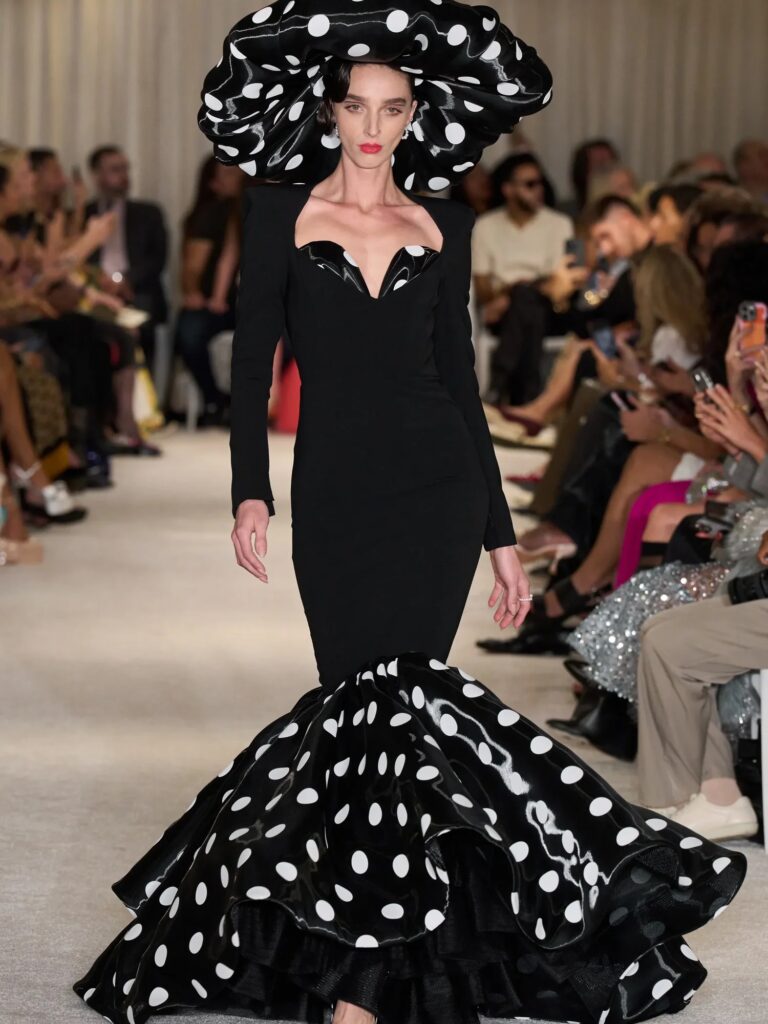
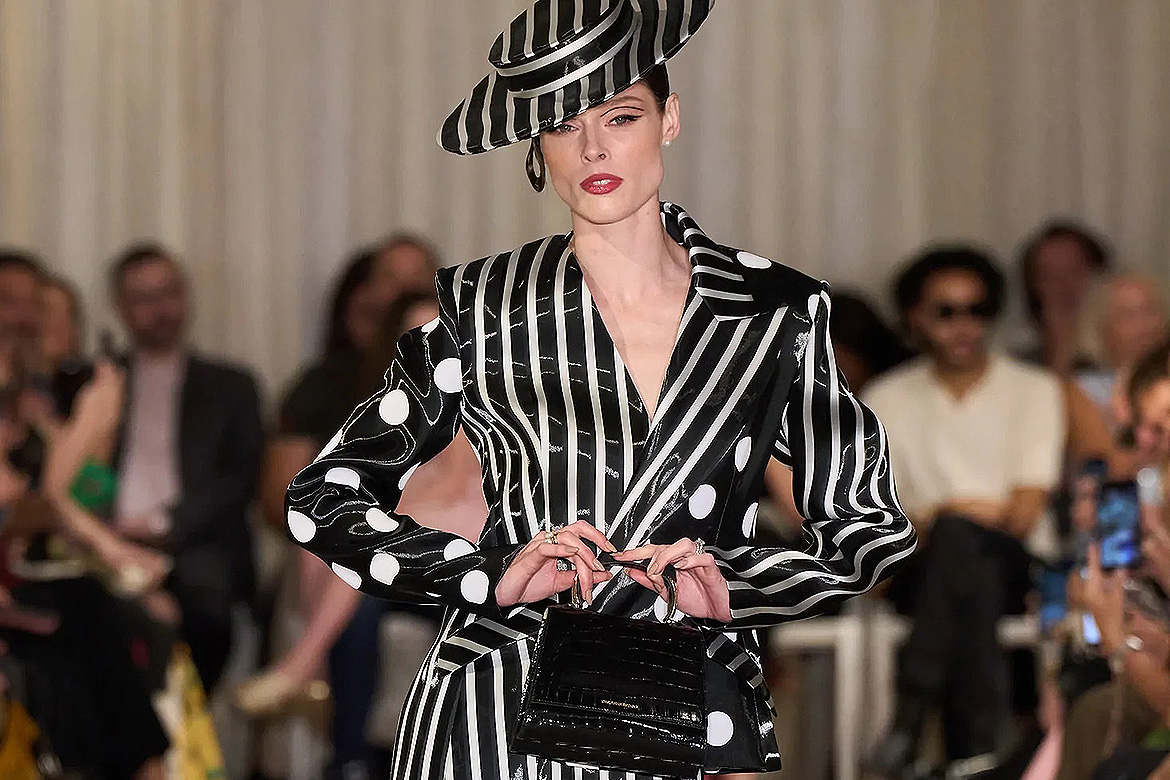
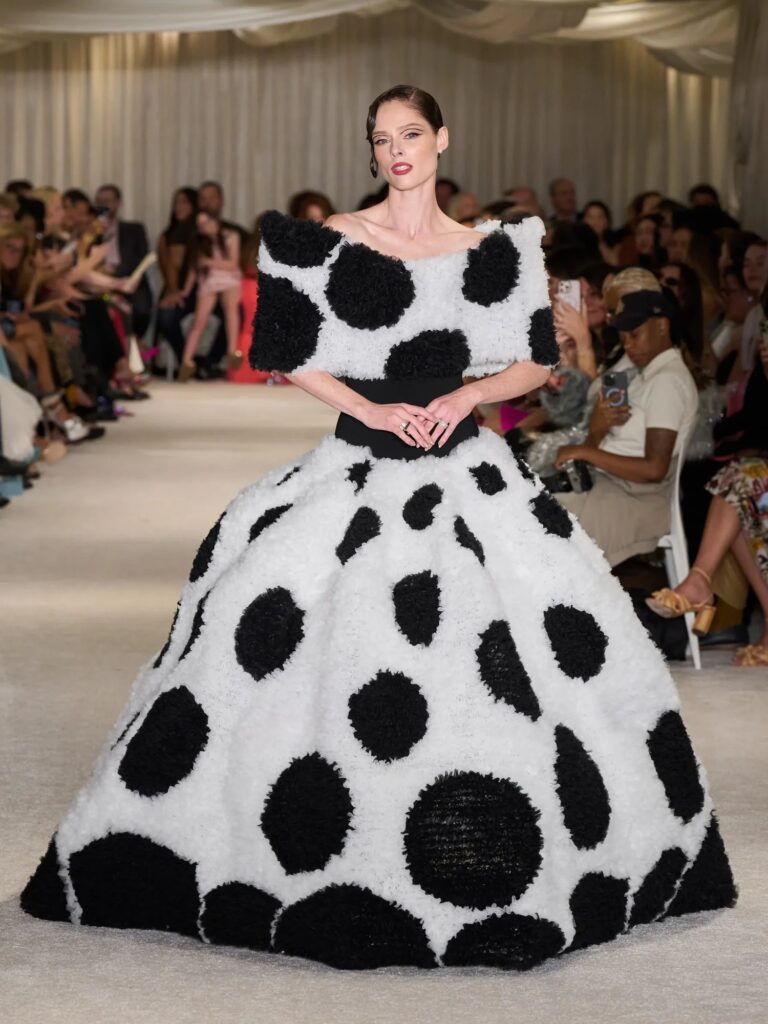
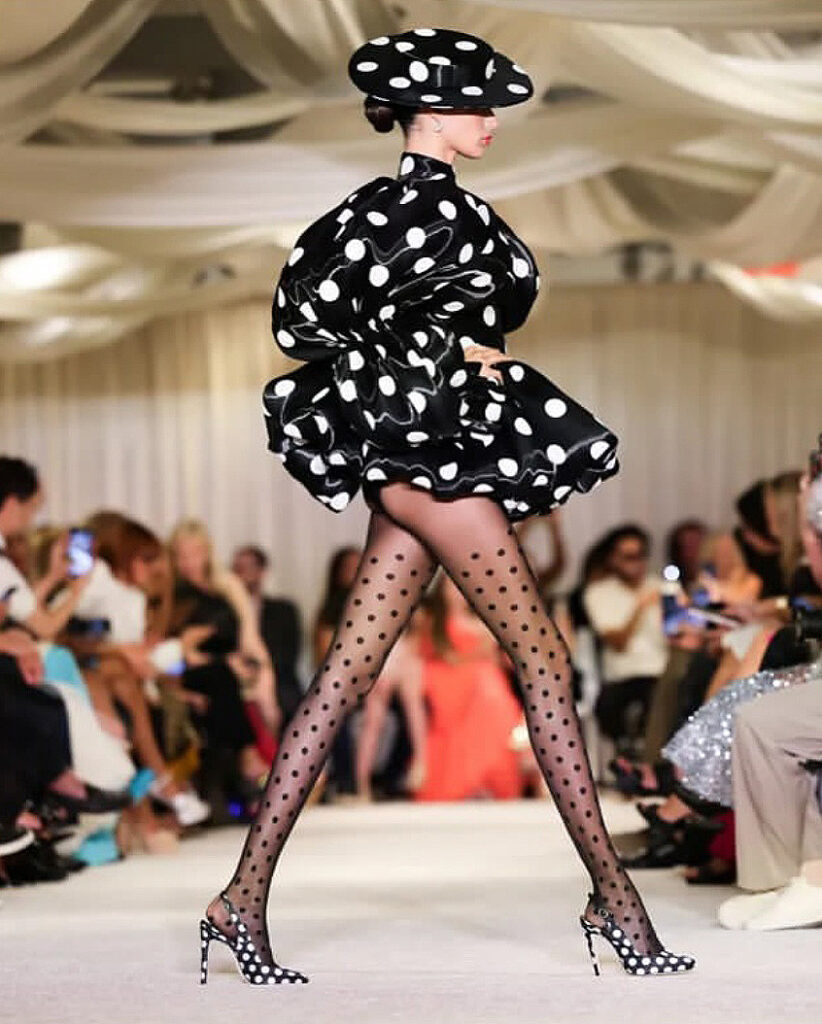
- Siriano also played with balloon skirts, polka-dot motifs, and bold contrasts between rigor and whimsy.
Fabrics & Textures
- The collection uses luxurious fabrics befitting evening wear: satins, taffetas, textured silks, and fabrics that hold shape for structure.
- Some pieces push lightness via sheer or layered elements, especially when transitioning into more colorful looks.
- The juxtaposition of volume (balloon forms) with precise tailoring tests the fabrics’ ability to hold crisp edges while still offering movement.
Standout Looks
- The opening look is often described as a black-and-white balloon-sleeved gown with graphic polka dots, setting the tone of contrast and whimsy.
- Corseted strapless black gowns: simpler, elegant, and powerful — these were among those praised for being universally flattering when well tailored.
- Cream evening coats with white lapels: classic but updated, providing timeless outerwear that complements the glitzy gowns.
- In the later segment of the show, pieces in teal and other saturated hues emerged — such as a teal corseted gown with voluminous pleated skirt — signaling the shift from monochrome to color.
- On the menswear / gender-inclusive side: sharp suits with cutouts or draped over panels, or blending tailoring with more fluid drapery.
Strengths, Critiques & Impressions
What Worked Well
- Strong thematic arc: The black-and-white to color transition, and the homage to Hollywood glamour, gave the show a clear narrative structure.
- Signature eveningwear excellence: Siriano’s strength in gowns was on full display — the show reaffirmed that evening pieces remain his forte.
- Inclusive casting & modern sensibilities: Though the aesthetic was vintage-inspired, the show wasn’t stuck in the past — it included modern tailoring, playfulness, and casting that reflects diversity.
- Showmanship & spectacle: Presenting in a department store setting, dramatizing the shift from monochrome to color, and deploying strong theatrical elements made for a memorable show.
Critiques & Challenges
Some critics noted that a few looks — like a tuxedo blazer + spandex catsuit pairing — felt a bit forced or inconsistent with the Hollywood ideal.The risk when emphasizing spectacle is overshadowing wearability. A few pieces might be more editorial than practical.
Transitioning from classic to bold hues is powerful, but some looks risked appearing disjointed if the color shift wasn’t seamless.
Conclusion
Christian Siriano’s Spring/Summer 2026 collection proved once again why he remains a fixture in New York Fashion Week. With a concept rooted in old Hollywood glamour, the show masterfully transitioned from stark monochromes to radiant color — marrying nostalgia and modern drama. Standout gowns, bold silhouettes, theatrical staging and inclusive casting all combined to deliver his signature mix of spectacle and elegance. While not every look may be suited for everyday wear, the collection reaffirmed Siriano’s leadership in the realm of red-carpet couture and showed his continued ability to evolve while honoring the legacy of fashion’s golden era.