Matthieu Blazy’s Celestial Debut at Paris Fashion Week
Discover Chanel’s Spring/Summer 2026 collection under new artistic director Matthieu Blazy — tweed reinterpreted, deconstructed 2.55 bags, celestial staging, and a bold vision for the house’s future.
Designer Profile & Transition at Chanel
In December 2024, Matthieu Blazy was named artistic director of Chanel, succeeding Virginie Viard.
Blazy is a French-Belgian designer with a background at Bottega Veneta, Maison Margiela, and other houses.
His approach emphasizes respect for Chanel’s heritage while allowing for reinterpretation and reinvention.
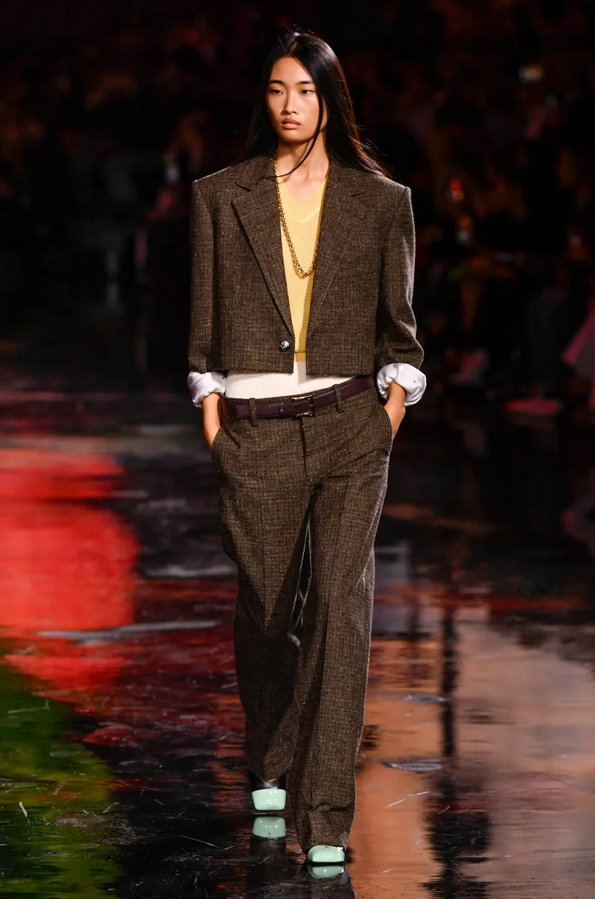
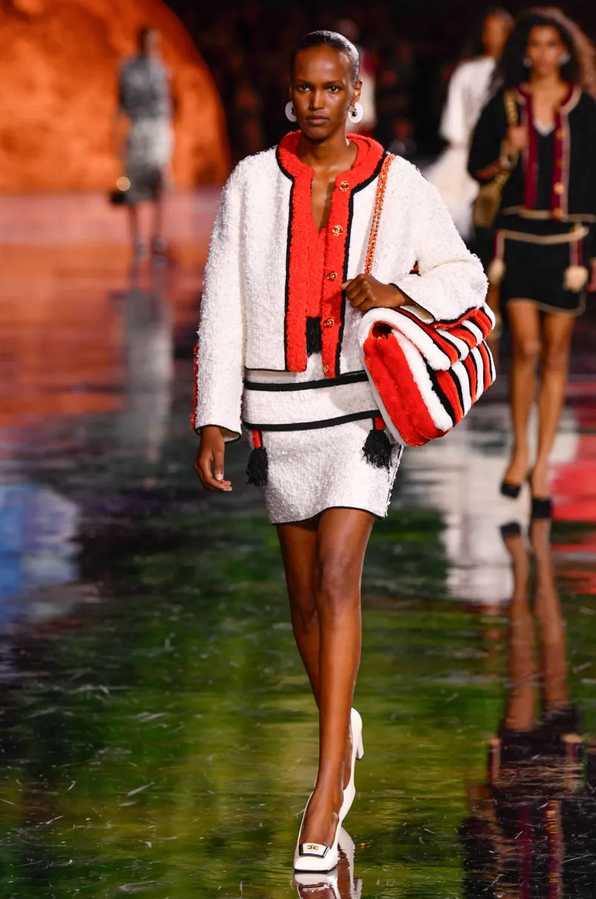
His debut SS26 show is framed as a conversation with Gabrielle “Coco” Chanel, revisiting foundational fabrics (tweed, jersey, silk) but also recutting, reworking, and modernizing the codes.
Concept & Presentation of Chanel SS26
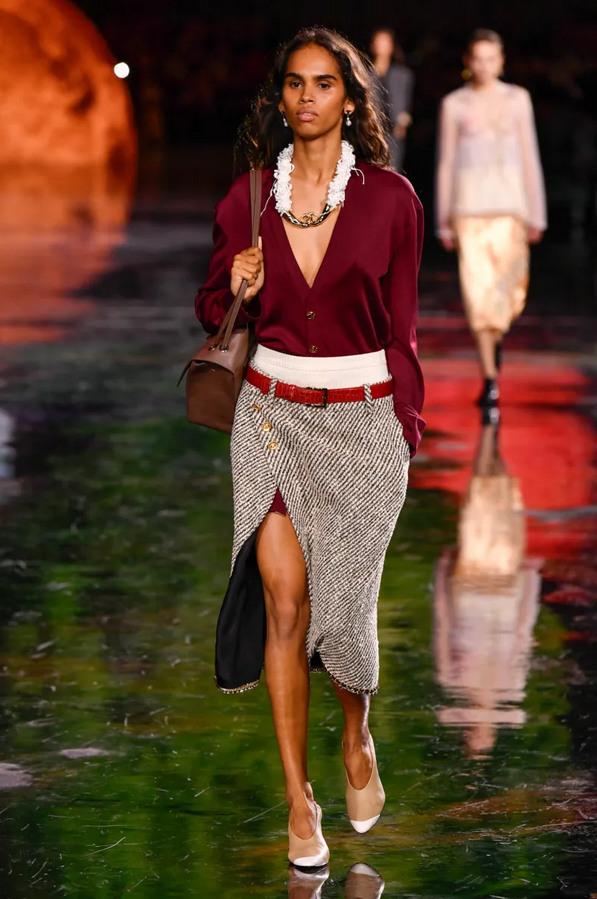
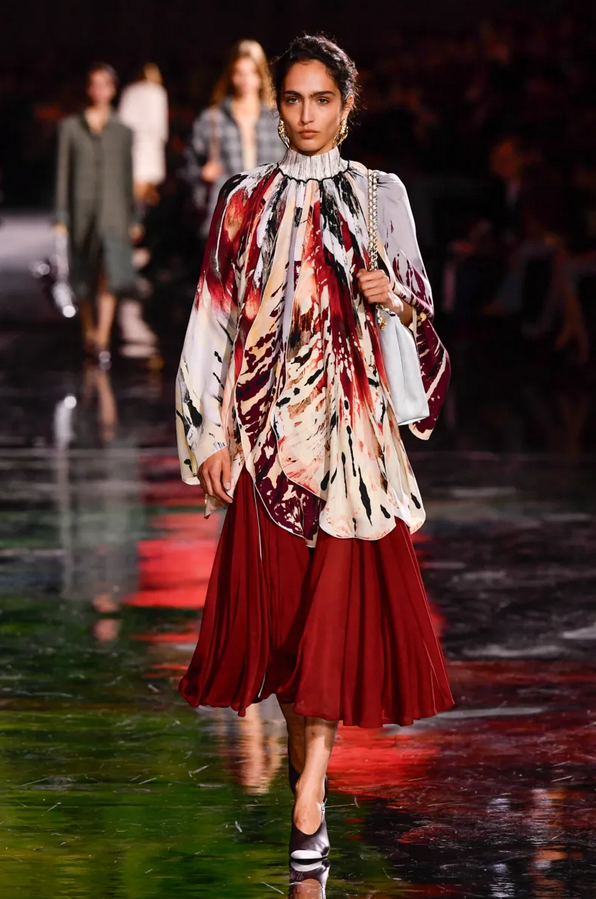
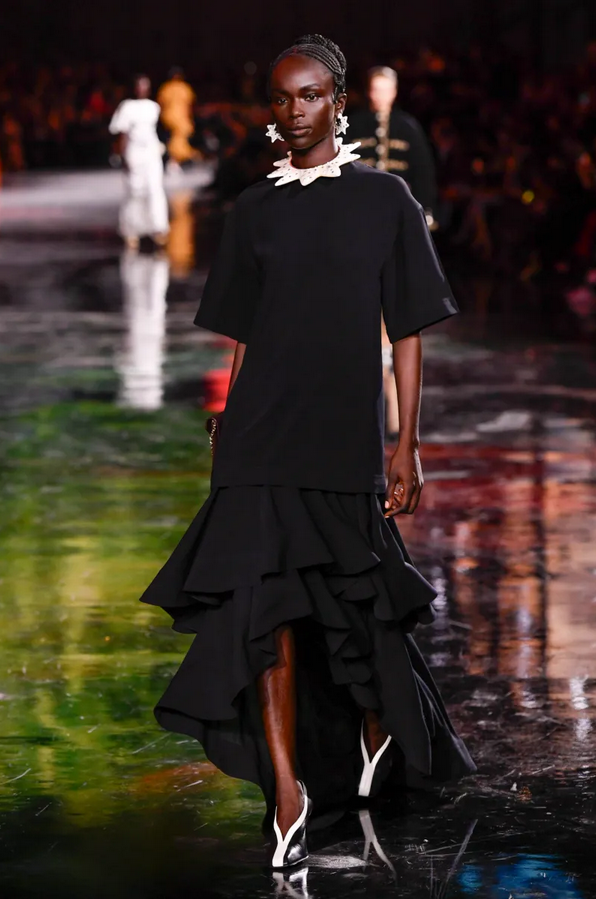
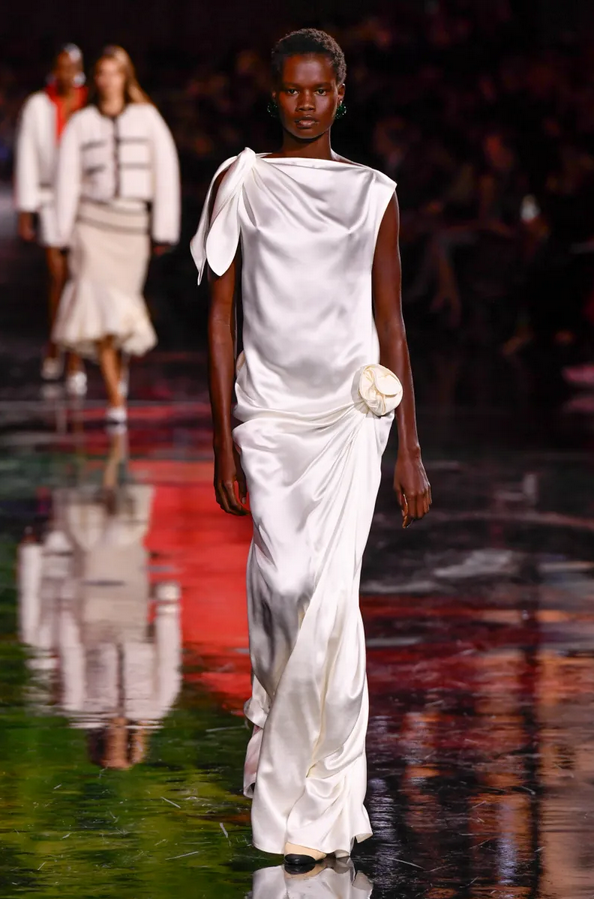
The SS26 collection is described by Chanel as reworked, recut, and reinterpreted — a renewal of its codes through a contemporary lens.
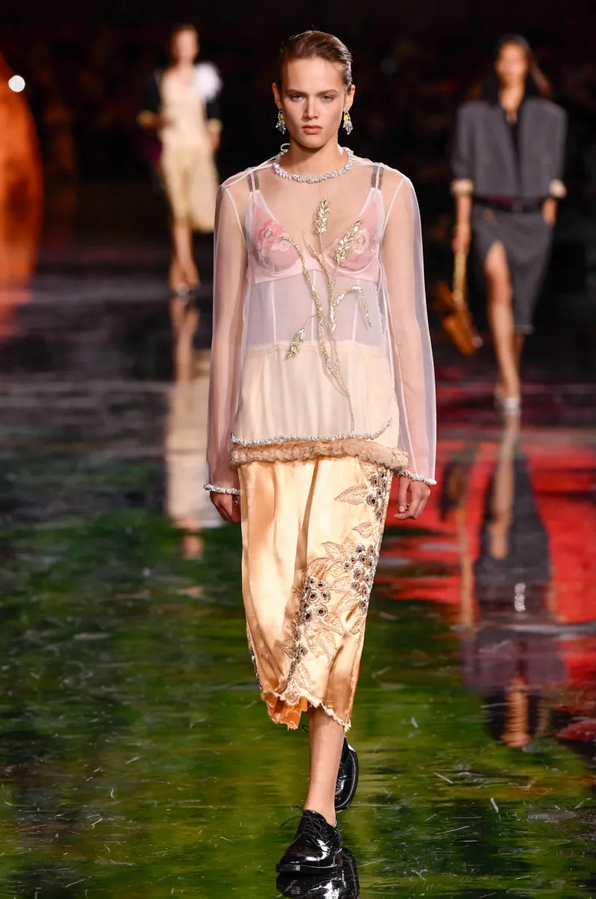
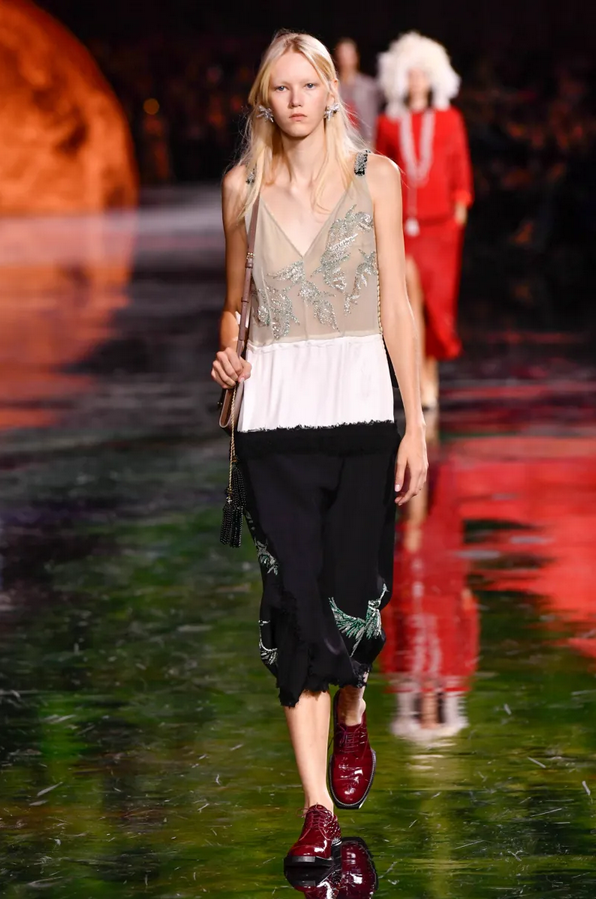
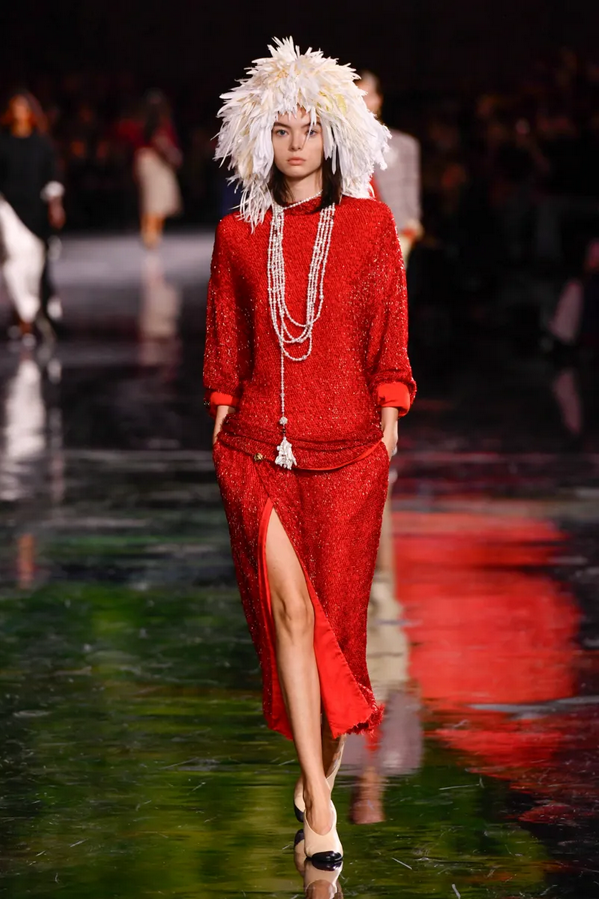
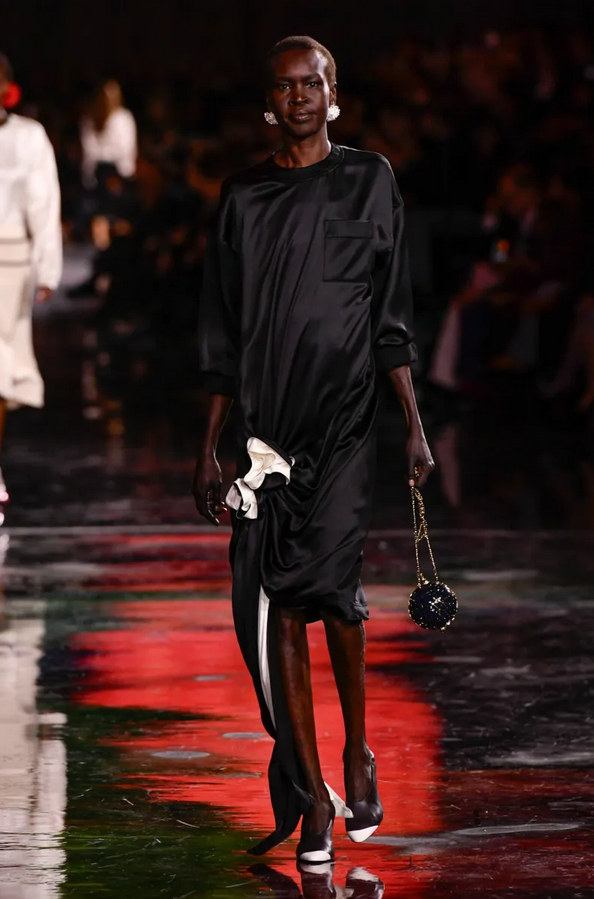
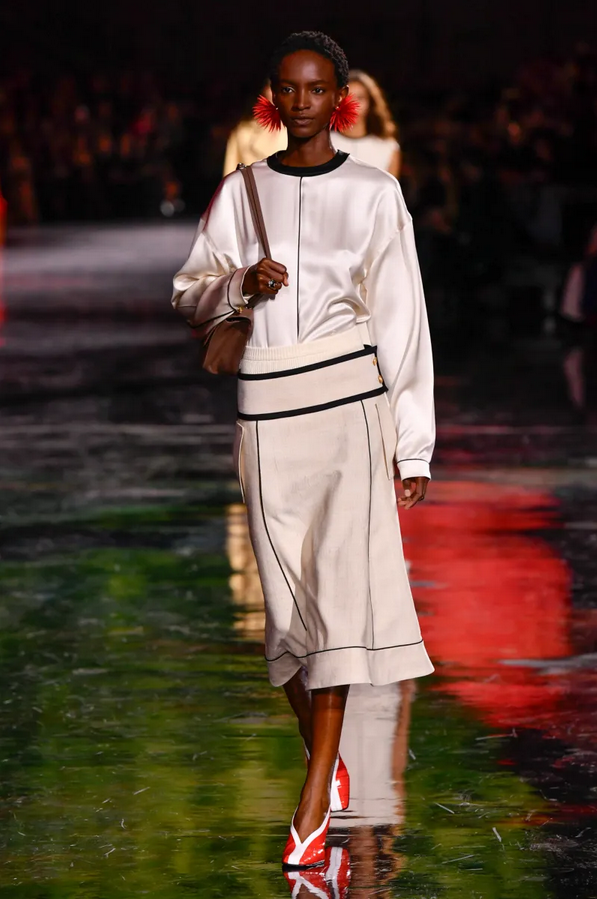
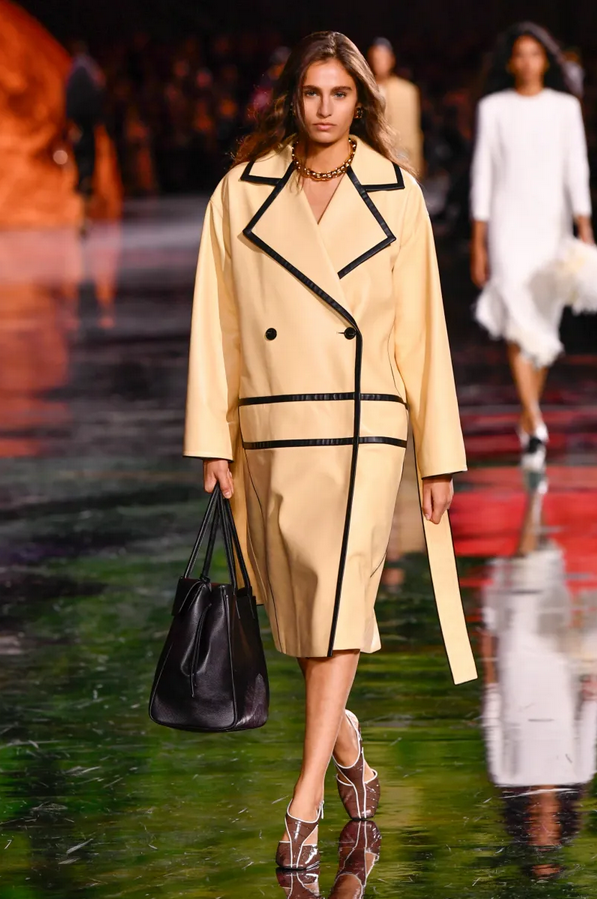
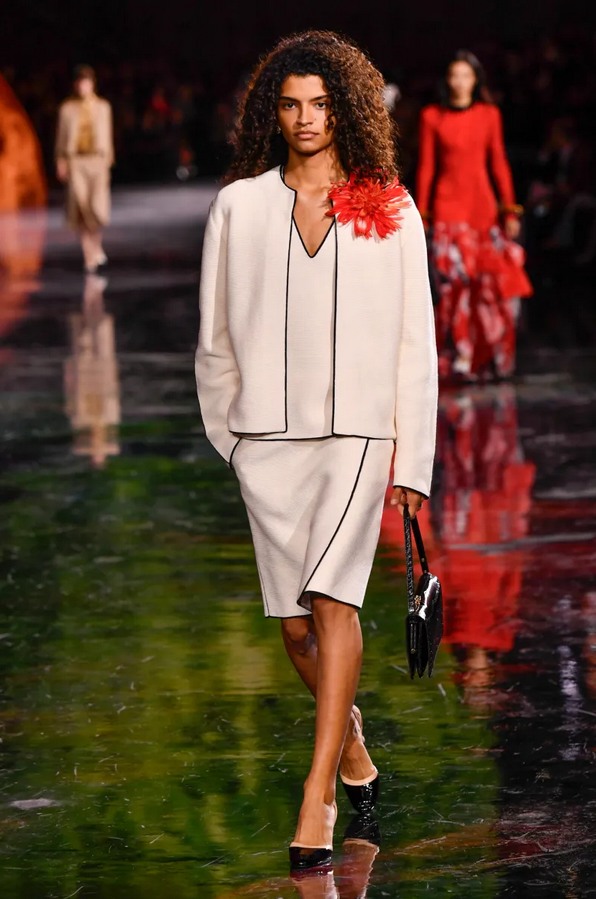
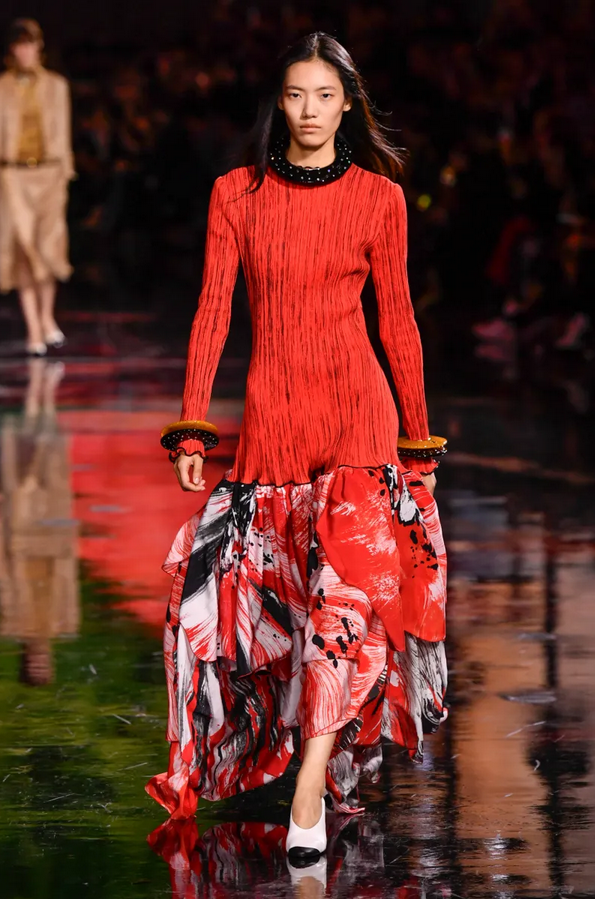
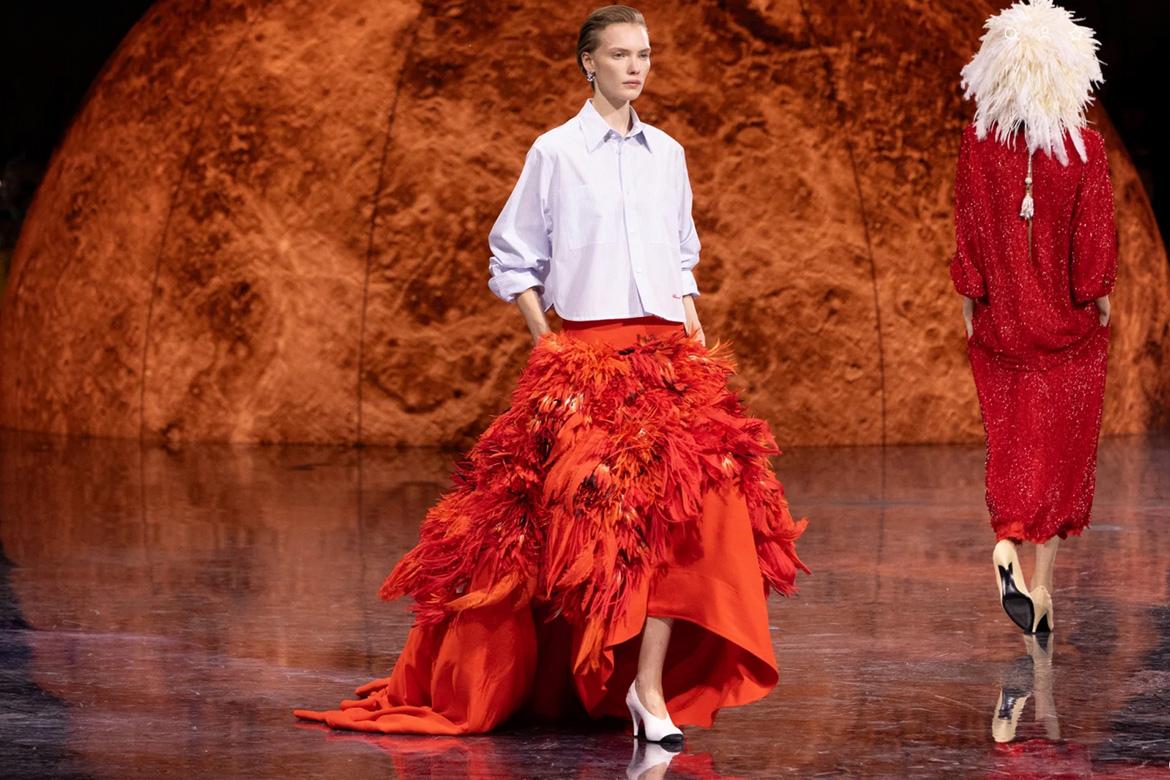
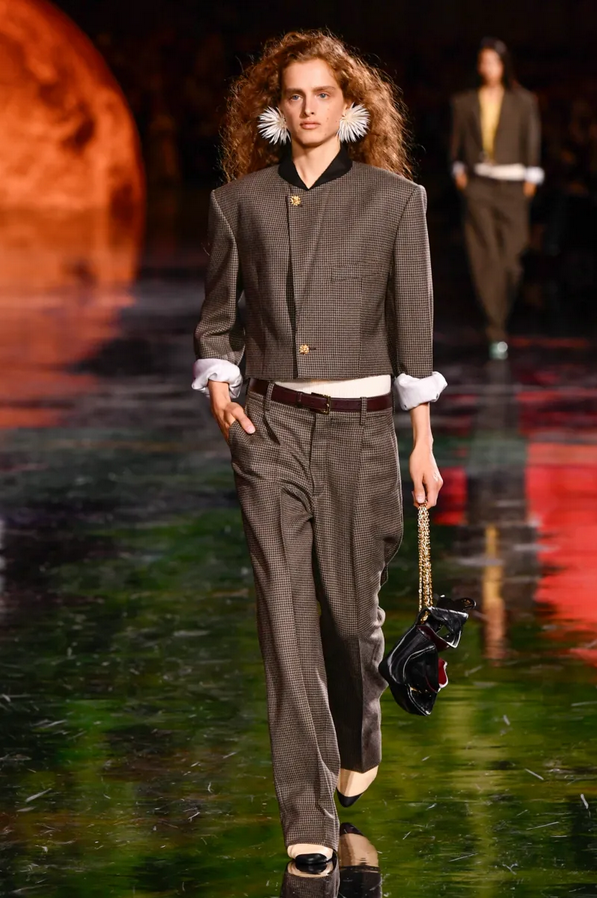
The show was staged dramatically under a celestial motif: planets suspended above the runway and reflective surfaces, evoking a cosmic ambiance.
Blazy’s debut is structured in three thematic chapters — work, day, and the universal — suggesting that Chanel is moving toward a more fluid, boundaryless expression of the “Chanel woman.”
Color, Fabrics & Key Details
Color Palette
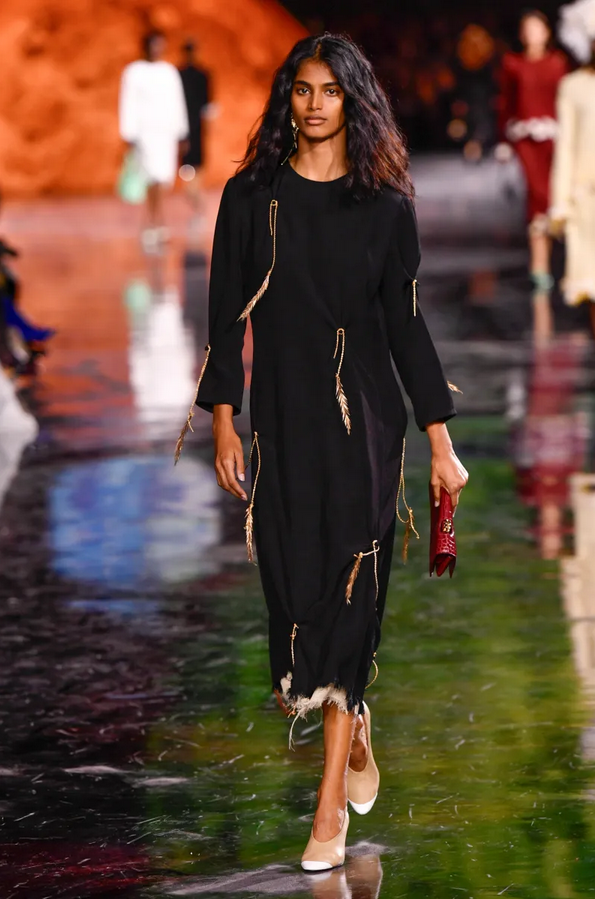
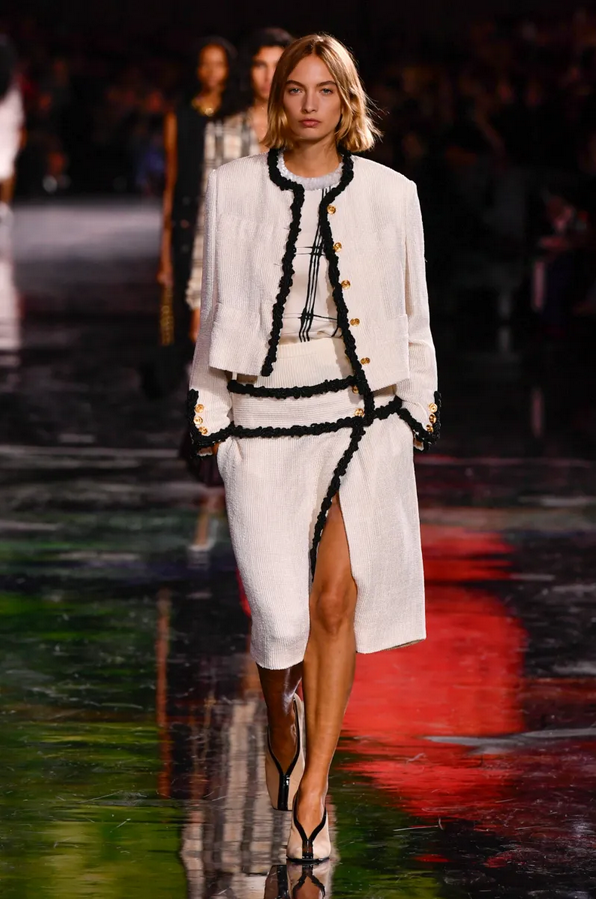
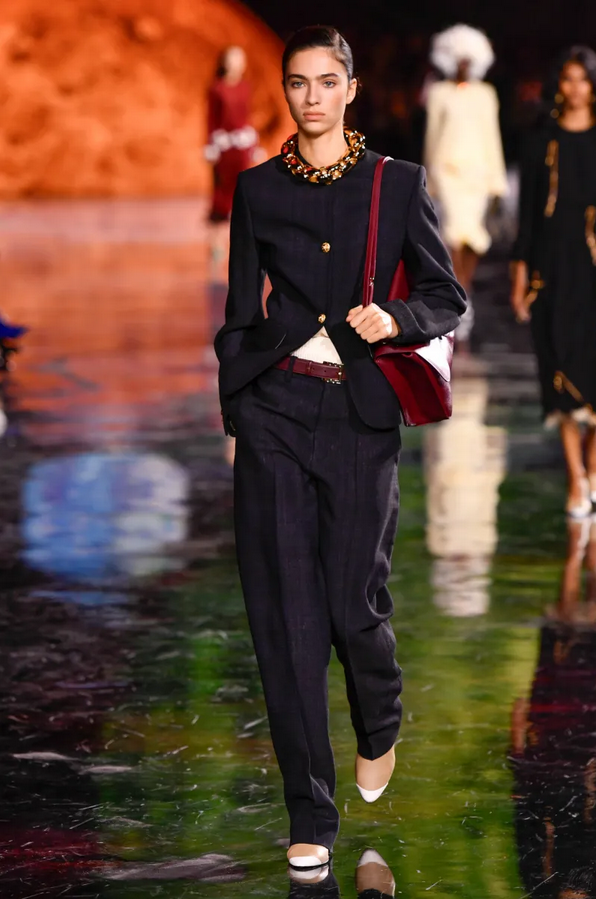
Chanel SS26 plays with neutral foundations — ivory, beige, black — punctuated by richer accents and contrasts.
The tonal strategy allows the textures, cuts, and innovations to stand out rather than relying on bold color.
Fabrics & Textural Innovation
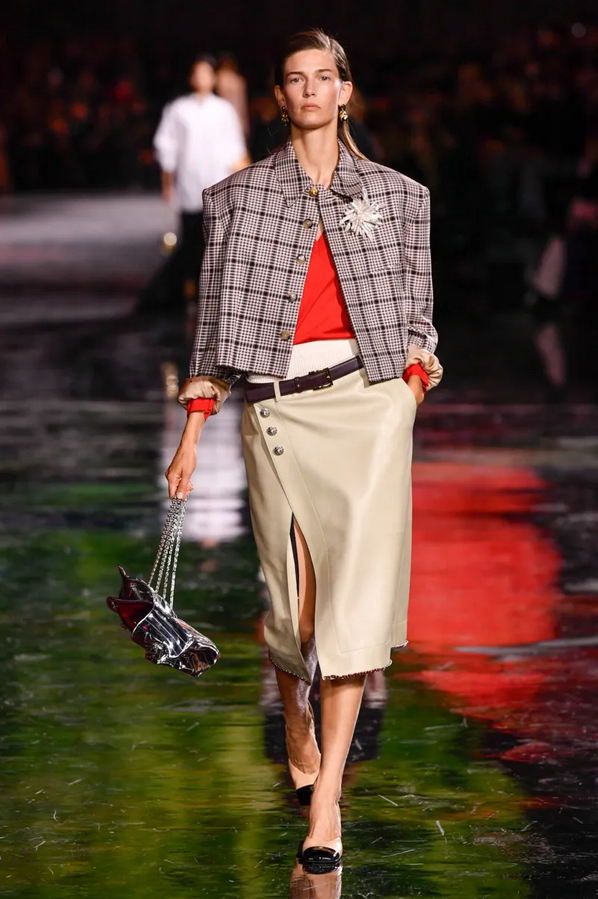
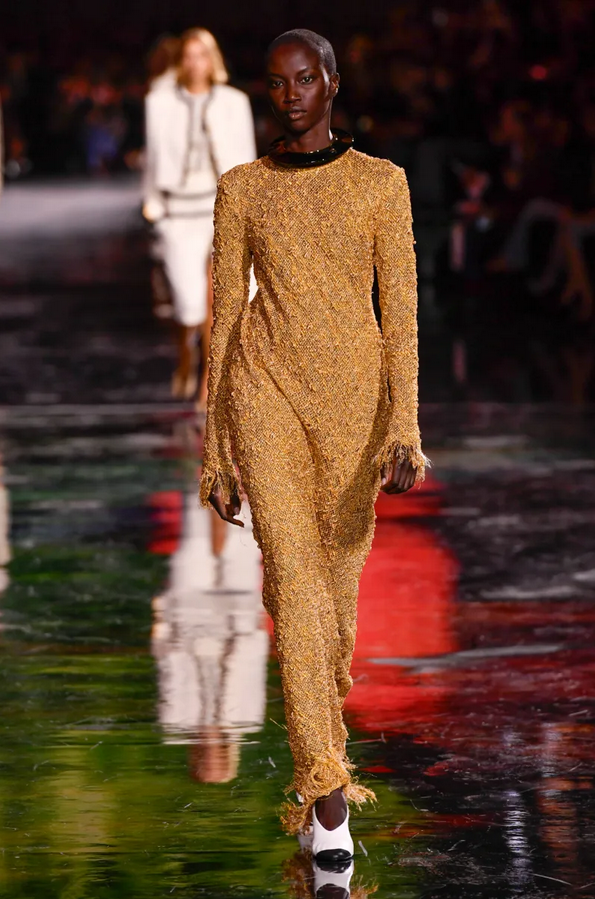
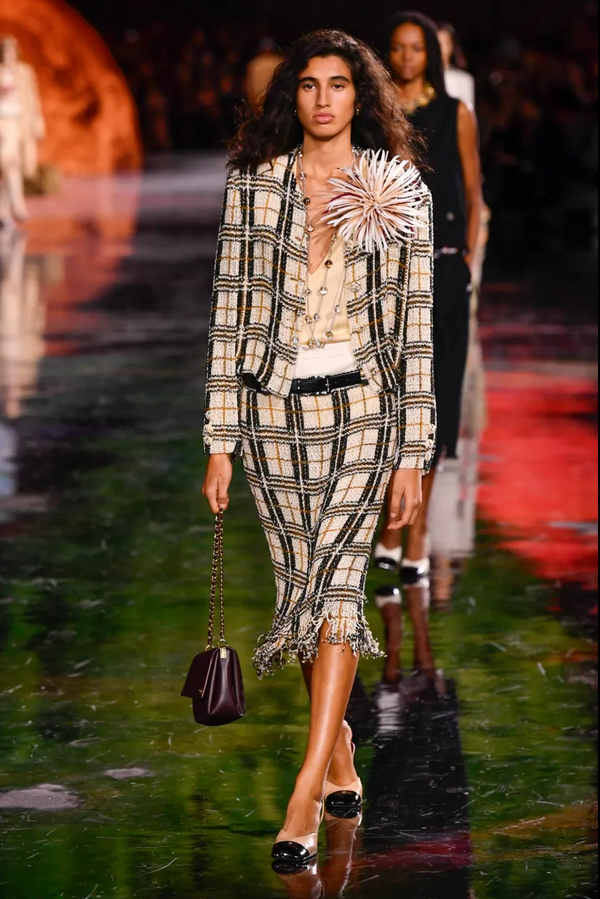
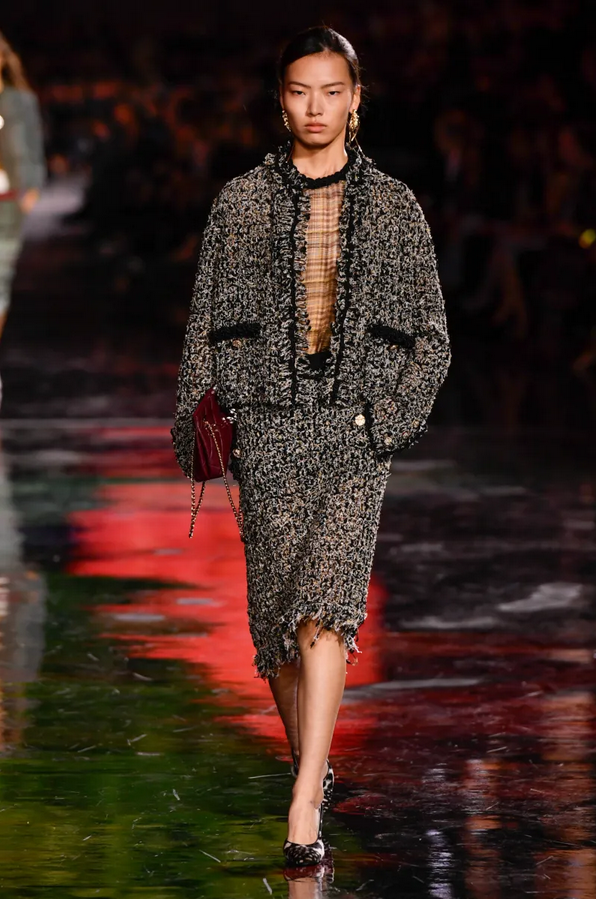
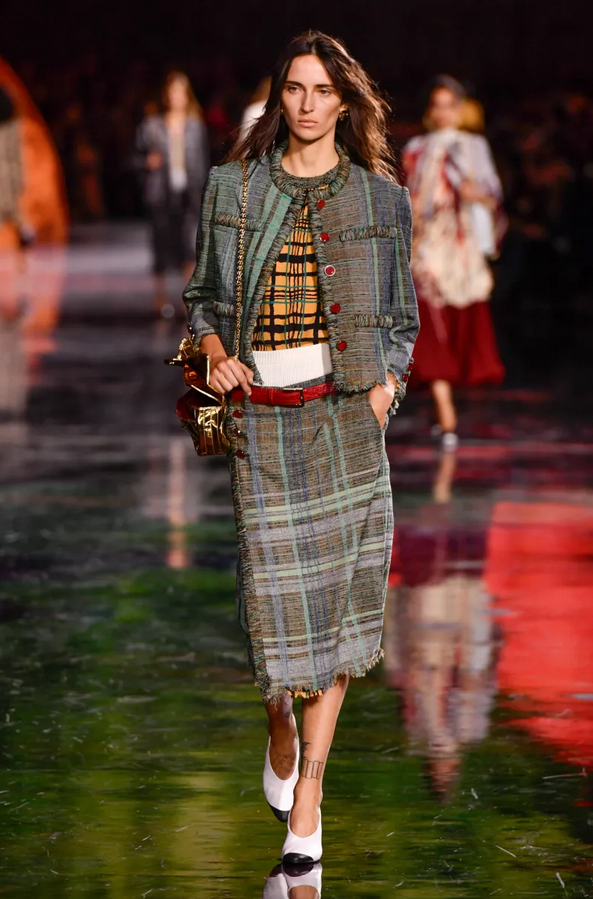
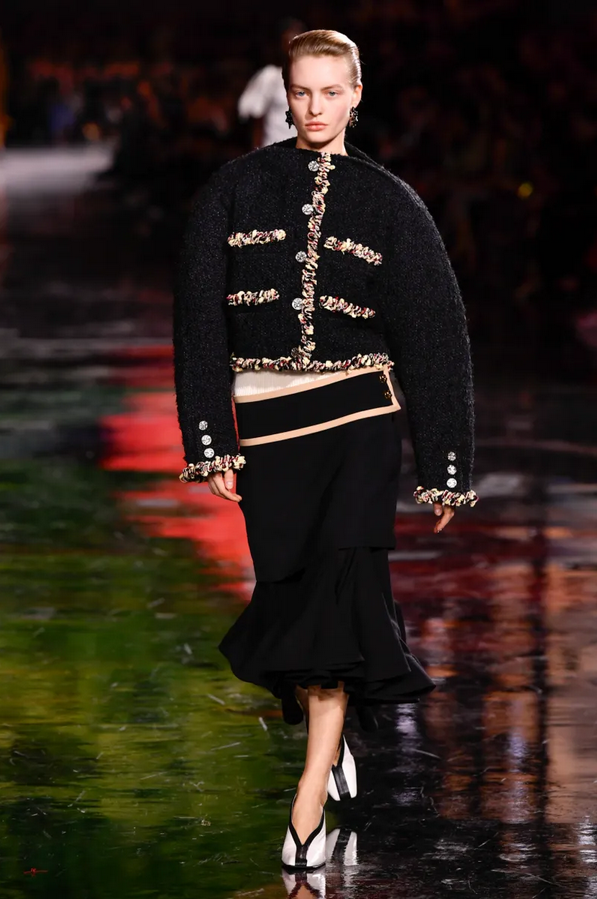
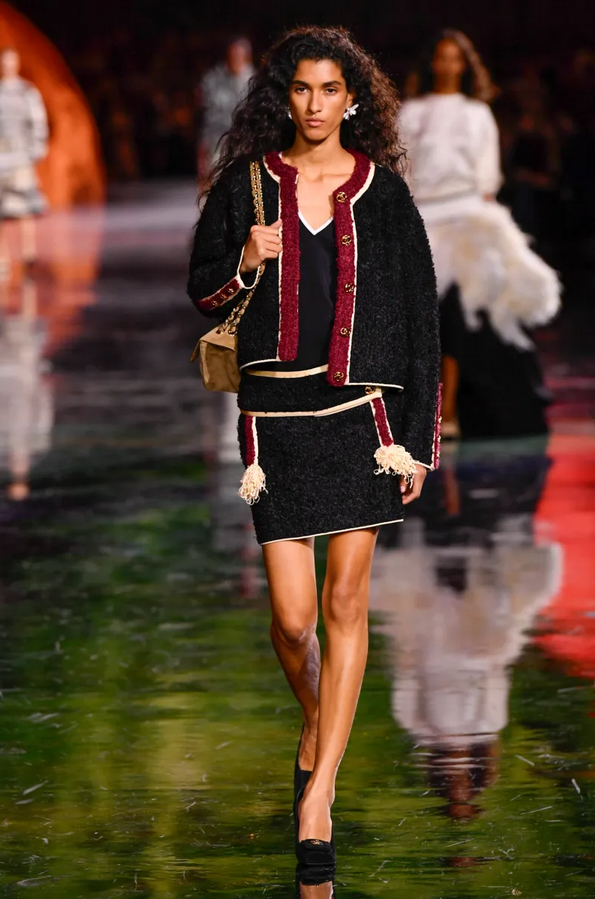
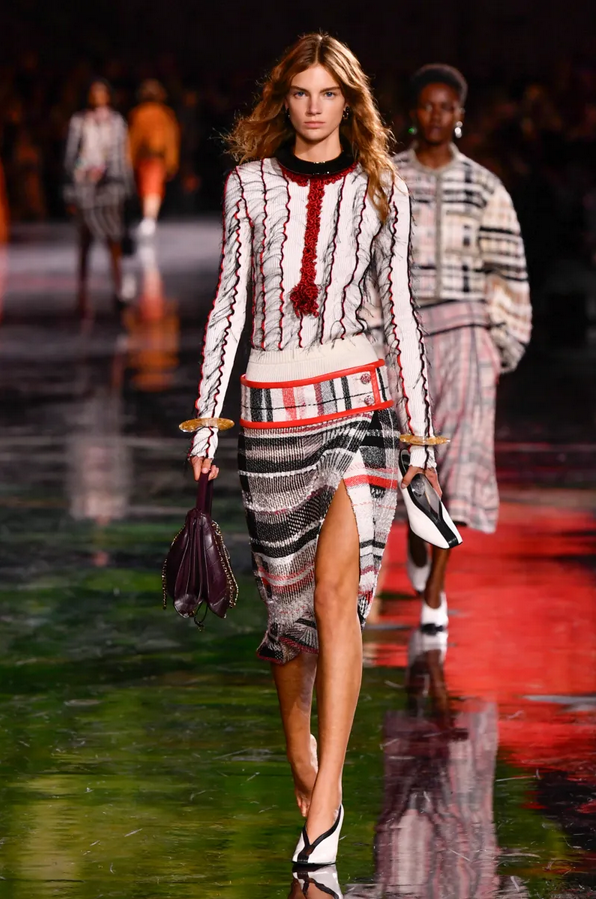
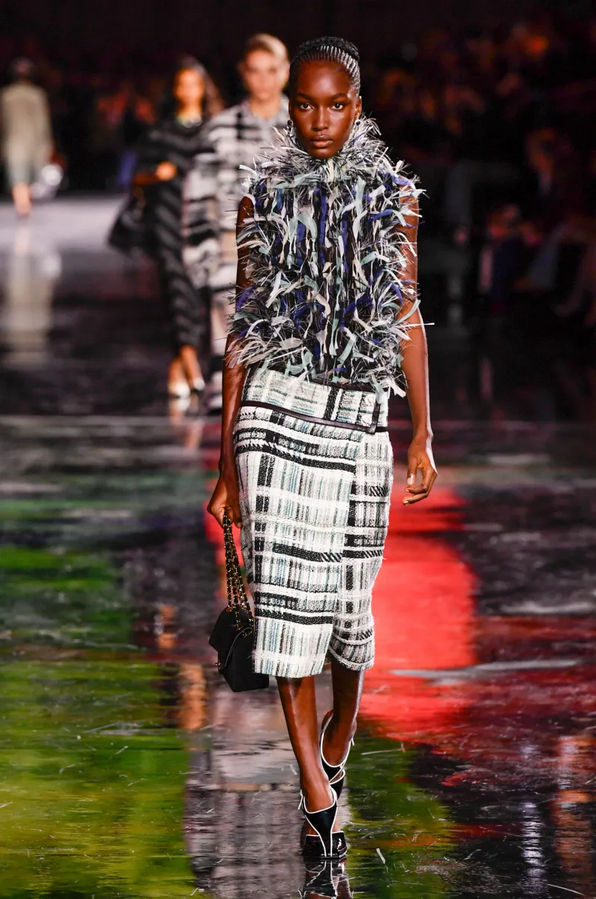
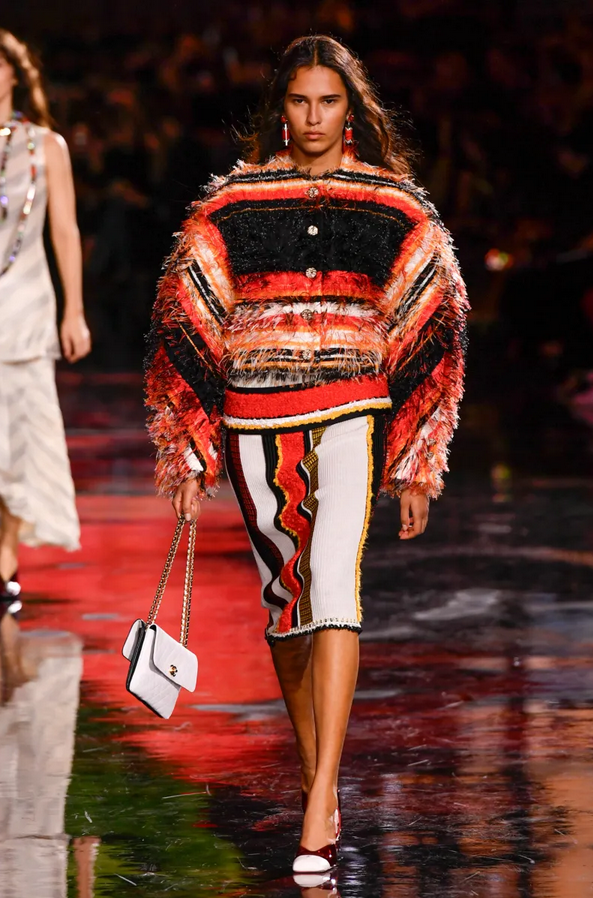
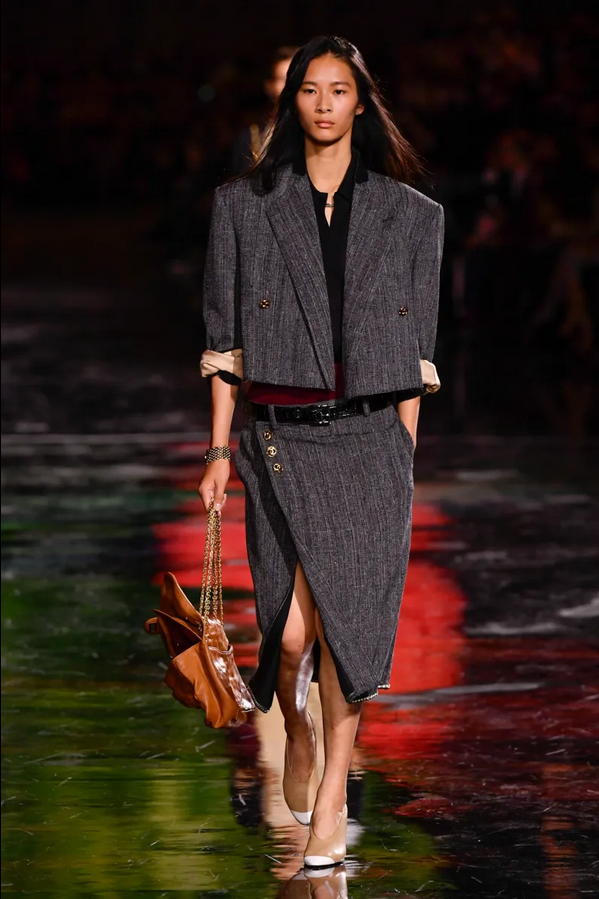
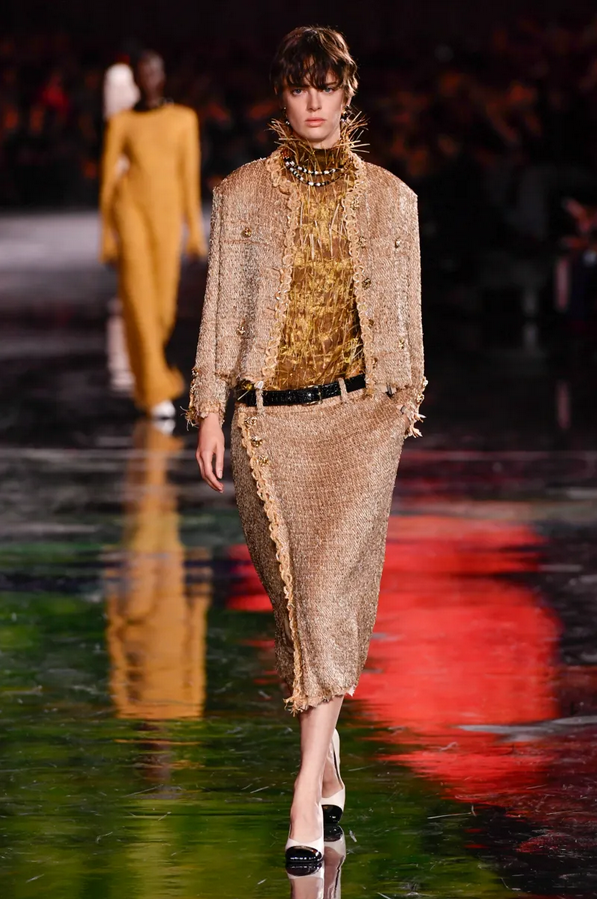
- Tweed is reimagined: frayed edges, crushed textures, overlayed with transparent materials.
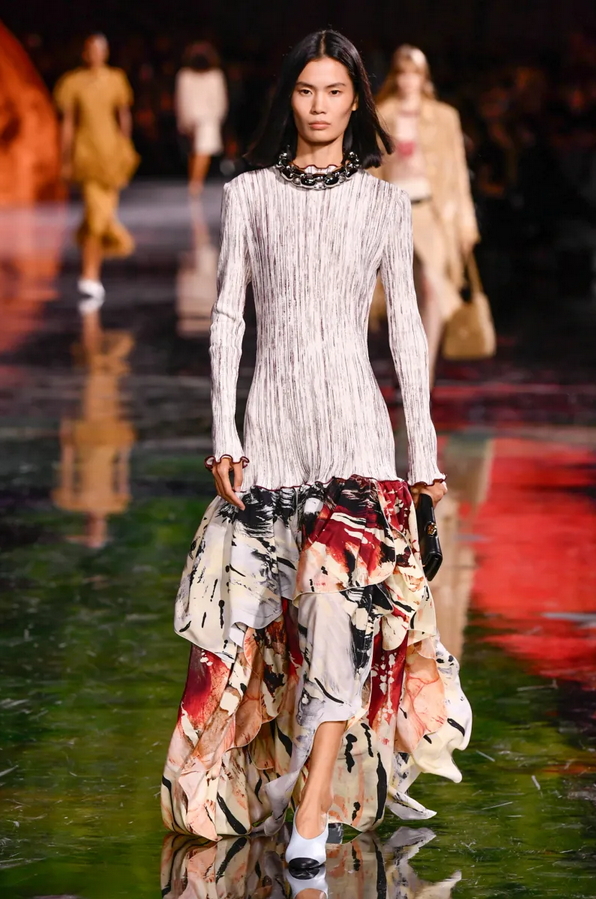
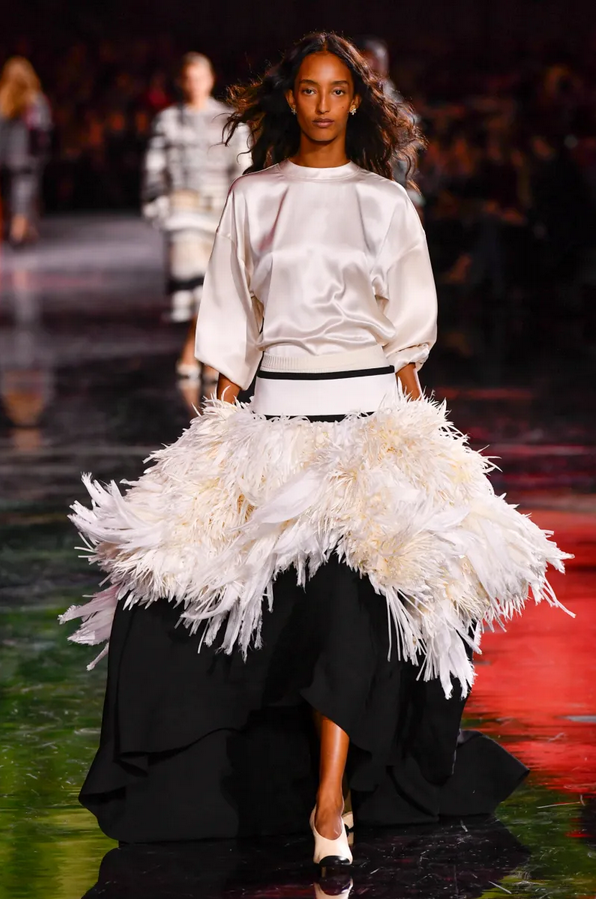
- Jersey and silk appear as fluid underlayers, softening structural outerwear.
- Deconstructed handbags (2.55, Classic Flap) are purposely “crushed” or softened, revealing their inner linings and making them feel worn and personal.
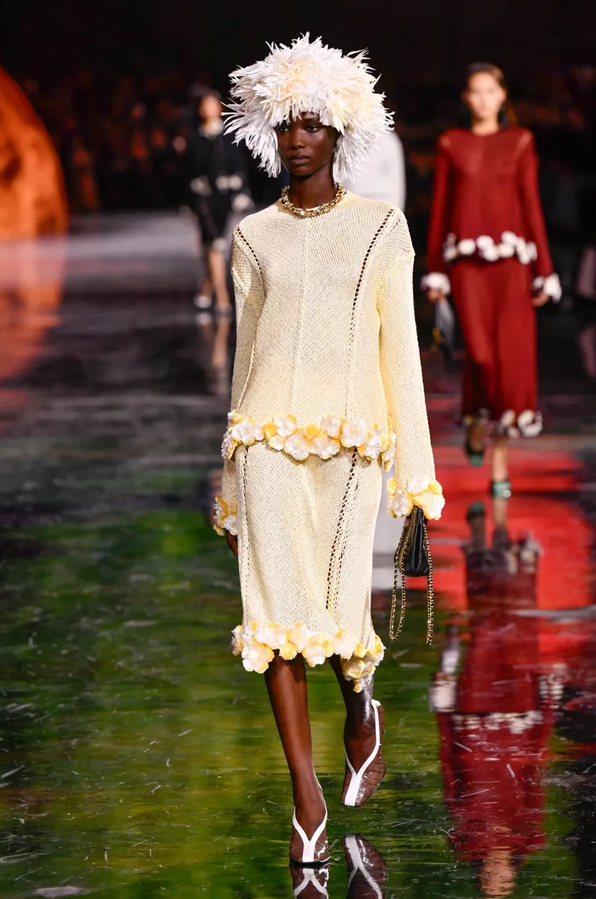
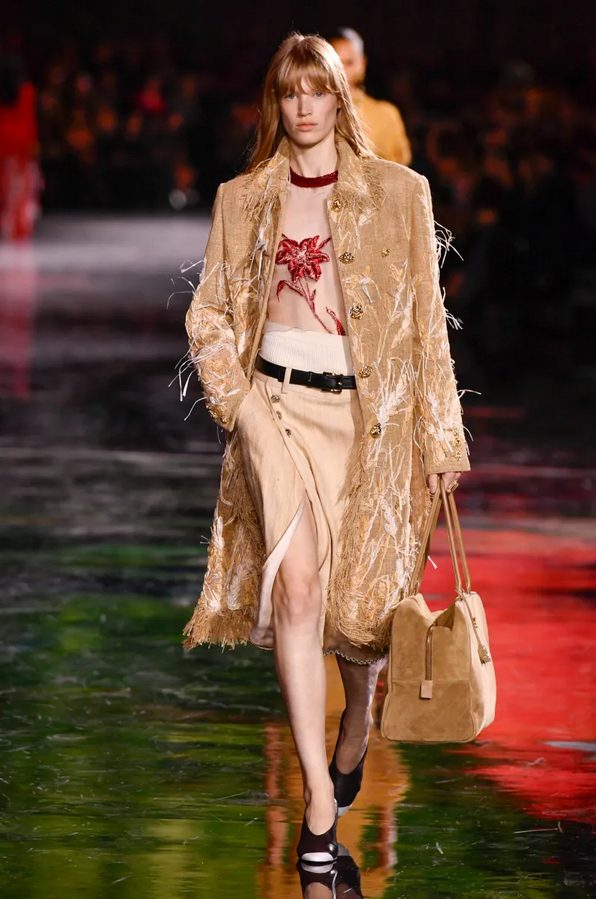
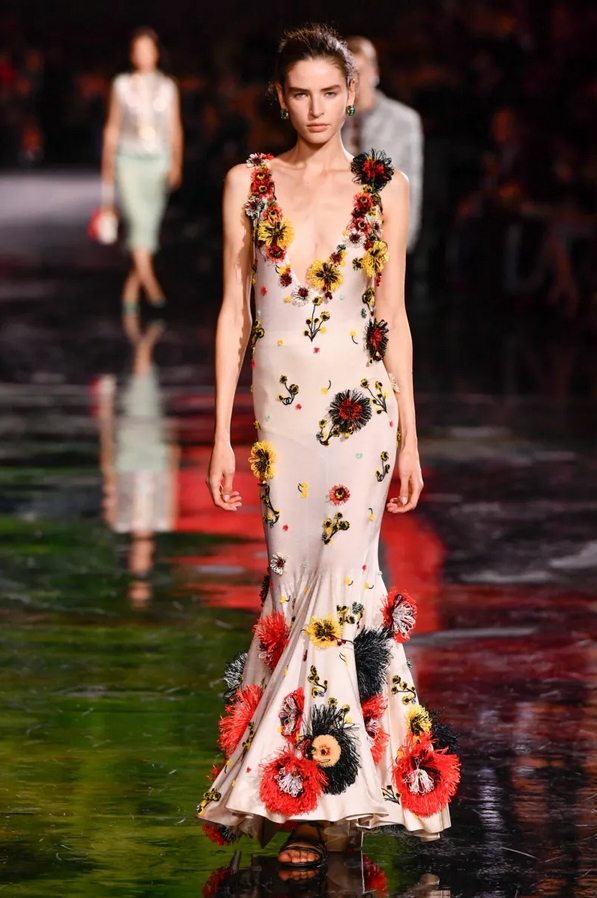
- Camellias (Chanel’s signature flower) and chain motifs are reworked, scattered, or embedded in knitwear, breathing new life into iconic elements.
Standout Silhouettes & Looks
- Borrowed menswear shirt + trousers: referencing Gabrielle Chanel’s historical borrowing of Boy Capel’s wardrobe, Blazy offers modern variants in linen/poplin.
- 2.55 bags in “crushed” form: the burgundy lining revealed, exteriors softened — a deliberate gesture to make them feel lived-in.
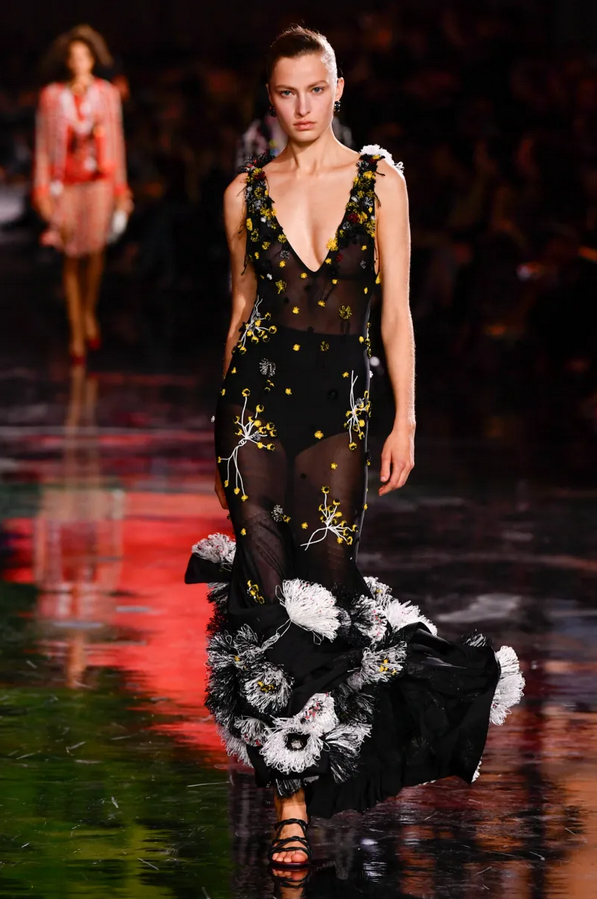
- Transparent tweeds and knits layered: pieces with transparency over tweed or structural undergarments create depth and duality.
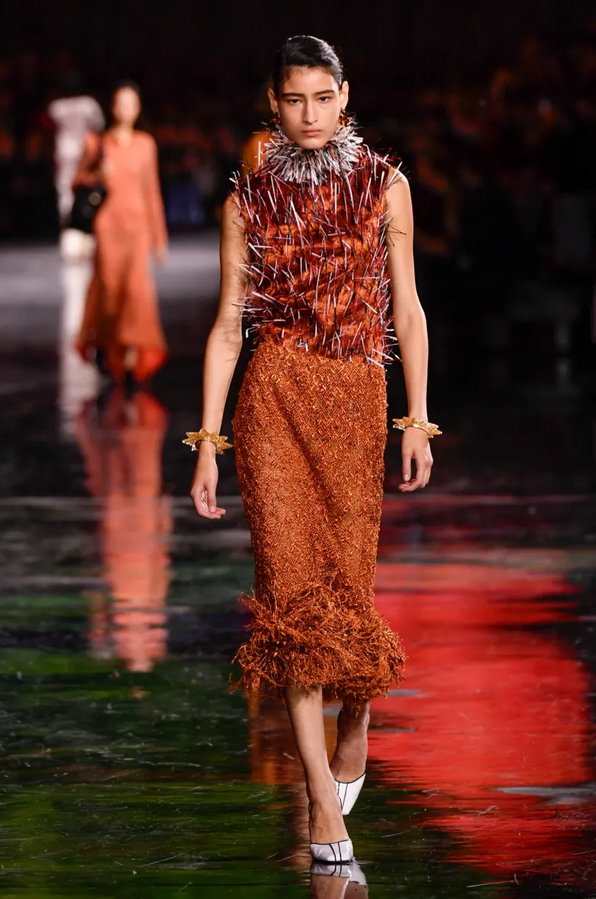
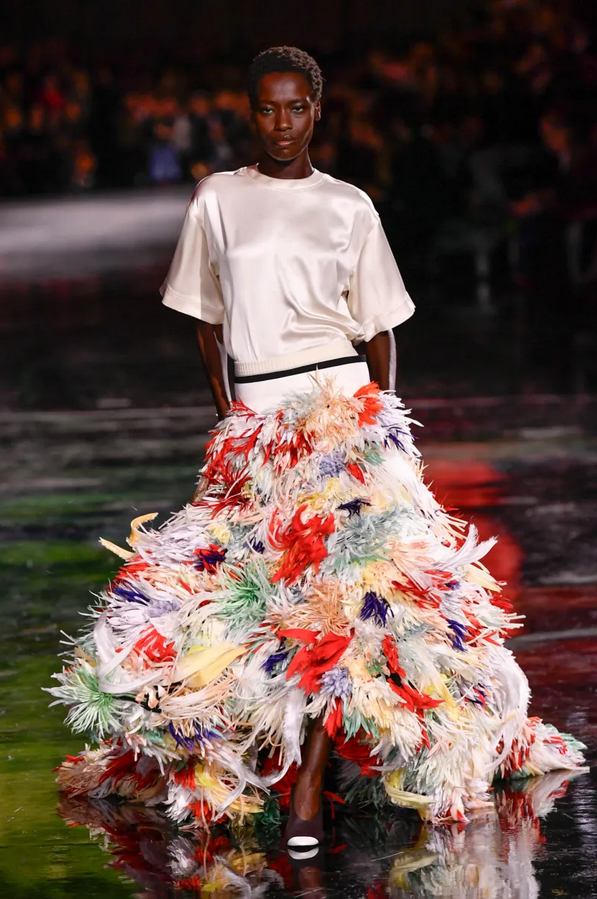
- Feathered skirts, orbital chain details, architectural hems: emphasize motion, weightlessness, and a celestial narrative.
By the end of the show, Blazy seems to dissolve the idea of a singular “Chanel woman,” proposing instead a multiplicity of personas unified by style.
Reception, Strengths & Risks
Strengths
- A bold and confident debut that honors Chanel’s legacy while asserting a fresh identity.
- Technical accomplishment: mixing fabrics, deconstructed elements, handbags reimagined — all cohere.
- The staging and storytelling elevate the collection beyond fashion into experience.
Risks & Challenges
- Some design choices may lean more editorial than wearable.
- The balance between heritage and innovation is delicate — too radical may alienate traditional clientele.
- The emotional weight of symbolic gestures (crushed bags, deconstruction) may overshadow more subtle pieces.
Conclusion
With his inaugural SS26 collection, Matthieu Blazy has launched a new era for Chanel — one that respects its codes (tweed, jersey, bags) while boldly reinterpreting them. The show presents a vision of Chanel that is cosmic, textured, lived-in, and fluid.
In this chapter, heritage is not static — it is reexamined, reshaped, and allowed to breathe anew. Chanel’s future, under Blazy, feels both familiar and surprising.